
Remixing the Past: The Peopling of Asia (According to Kim Định)
In is 1970 work, Việt Lý Tố Nguyên, Lương Kim Định presented an outline of his understanding of the early history of East Asia. The main point that Kim Định…
In is 1970 work, Việt Lý Tố Nguyên, Lương Kim Định presented an outline of his understanding of the early history of East Asia. The main point that Kim Định…
I recently came across a poem in Chinese that was written by Yan Jieren 嚴杰人 in 1943 called “The Annam Maiden” (Annan Nulang 安南女郎). Yan Jieren was a writer and…
Following up on the previous post, I found some more information about the case of certain British citizens wishing to lease some islands in the East/North Borneo/Western Philippine/South China Sea…
I was looking at some microfilms that contain records from the British Colonial Office. The ones that I have access to have largely melted over the years in the tropical…
I was at a conference this summer where someone made a good presentation about the existing scholarship on the “Indianization” of Southeast Asia, that is, the process by which various…
https://www.youtube.com/watch?v=ZTwVJiExR_k&feature=youtu.be Video này không có phụ đề, nhưng chỉ cần biết tiếng Anh hoặc tiếng Viết là có thể hiểu được. This video is half in English and half in…
https://www.youtube.com/watch?v=qZW85PKePKs Video này không có phụ đề, nhưng chỉ cần biết tiếng Anh hoặc tiếng Viết là có thể hiểu được. This video is half in English and half in…
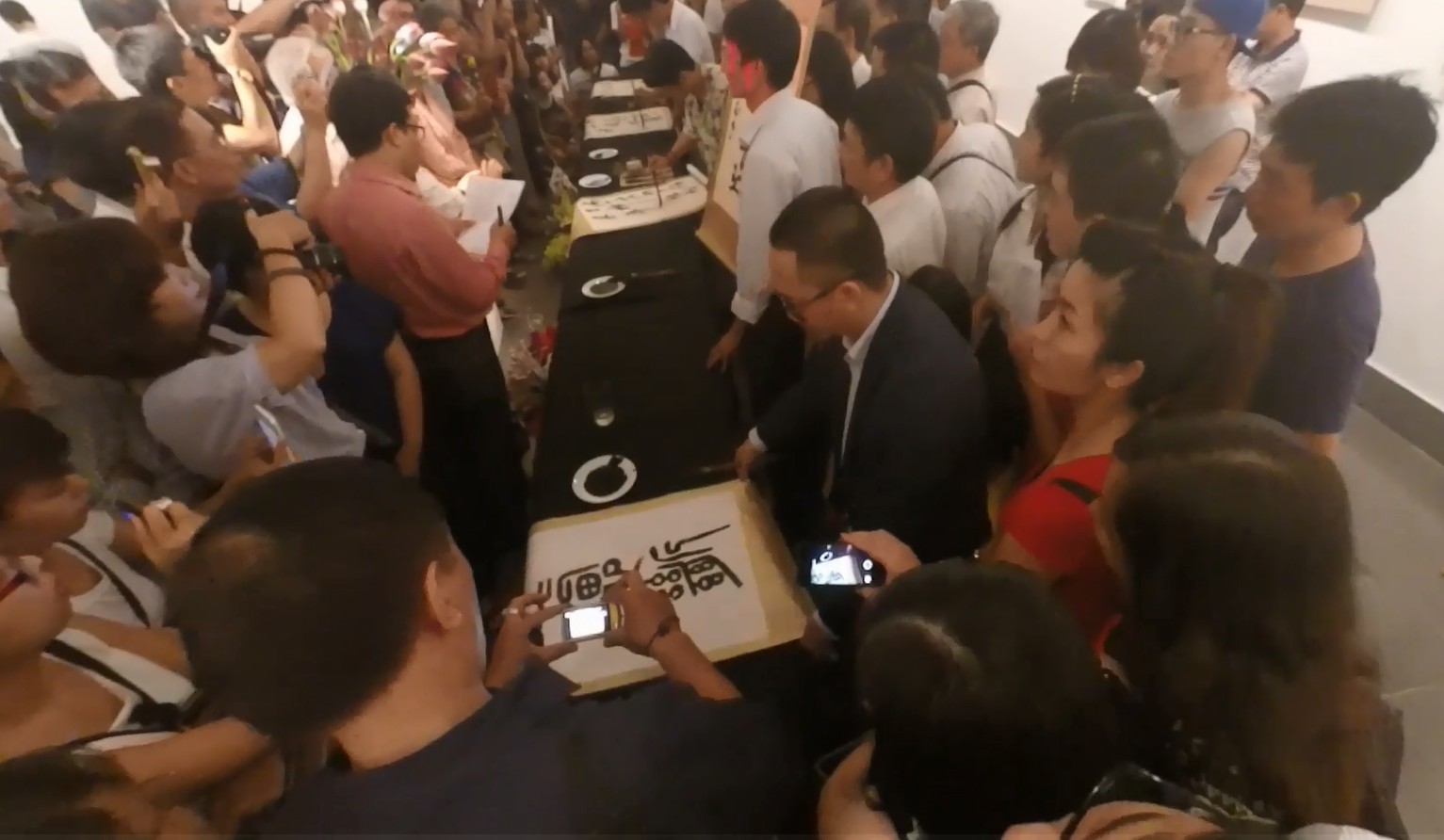
https://www.youtube.com/watch?v=3WvMmjqmpm4 This video is half in English and half in Vietnamese. The parts in English explain what is said in the parts in Vietnamese. Video này không có phụ đề,…
This morning I was browsing through the digitized video and audio files that the Virtual Vietnam Archive at Texas Tech University has placed online and decided to make a “mashup”…