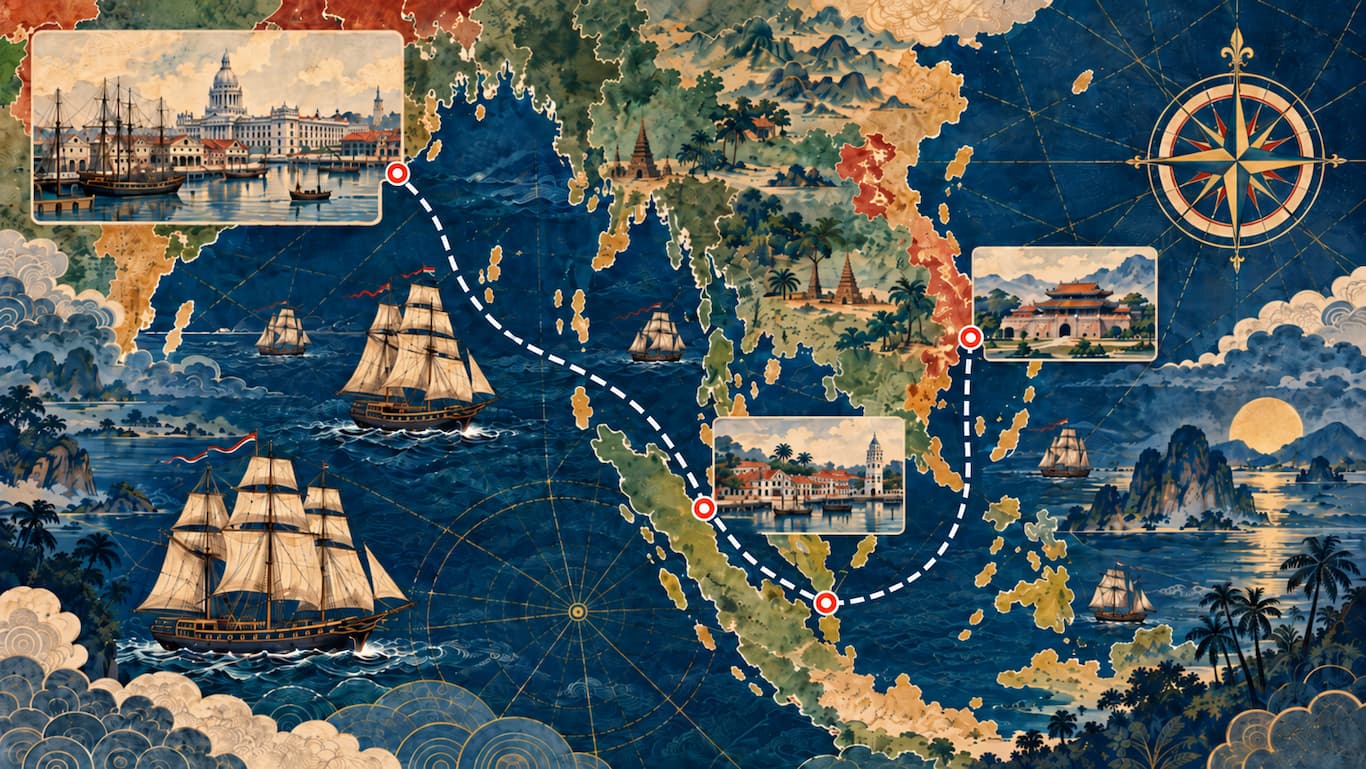
An 1830 Vietnamese Voyage to Calcutta
In 1830, Emperor Minh Mạng of the Nguyễn dynasty sent two ships on a voyage to Bengal. The purpose of the voyage was not to engage in trade, but instead,…

In 1830, Emperor Minh Mạng of the Nguyễn dynasty sent two ships on a voyage to Bengal. The purpose of the voyage was not to engage in trade, but instead,…
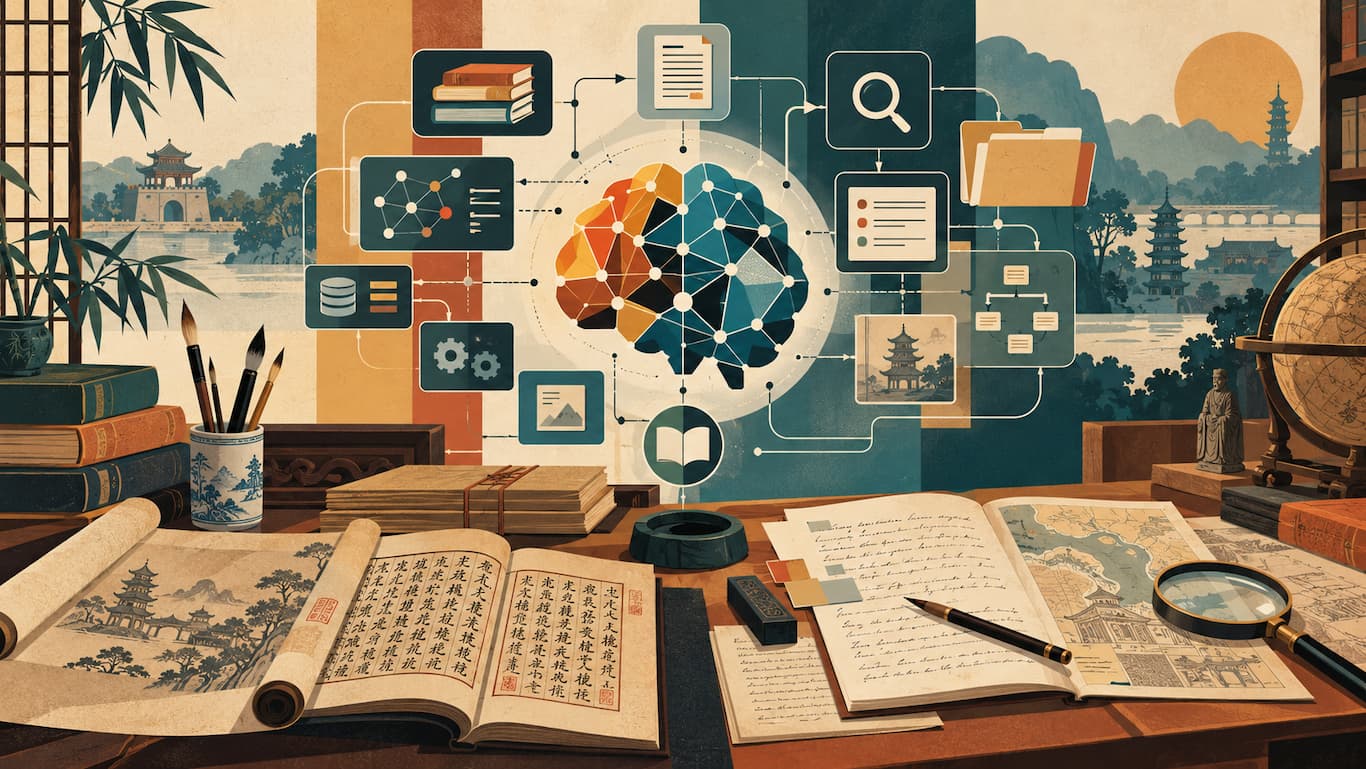
The more I work with LLMs in my research, the more it seems to me that we need to think more carefully about what exactly we are interacting with when…
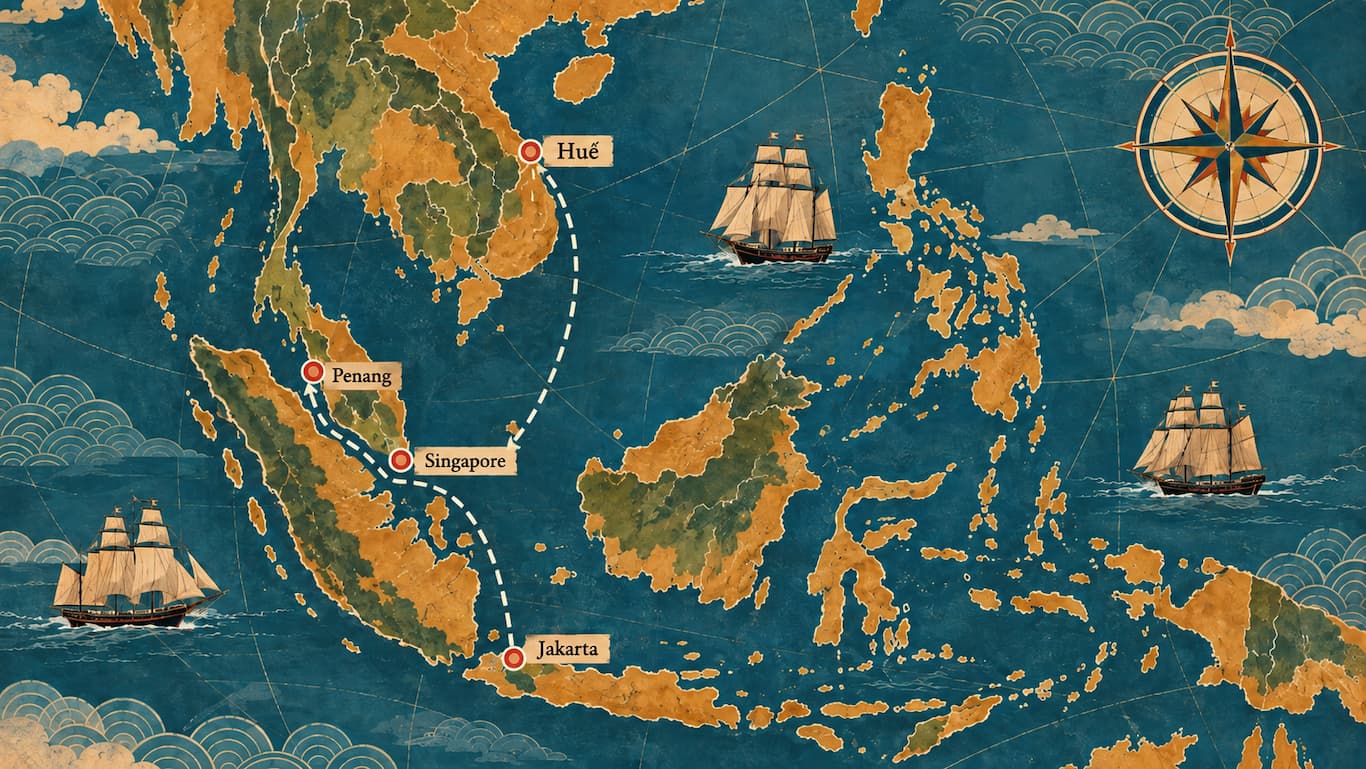
In 1990, Taiwanese historian Chen Ching-ho (Chen Jinghe 陳荊和) published an article in Japanese entitled “On the ‘Hạ-châu Missions’ (下洲公務) conducted during the early Period of the Nguyen Dynasty.”This was…
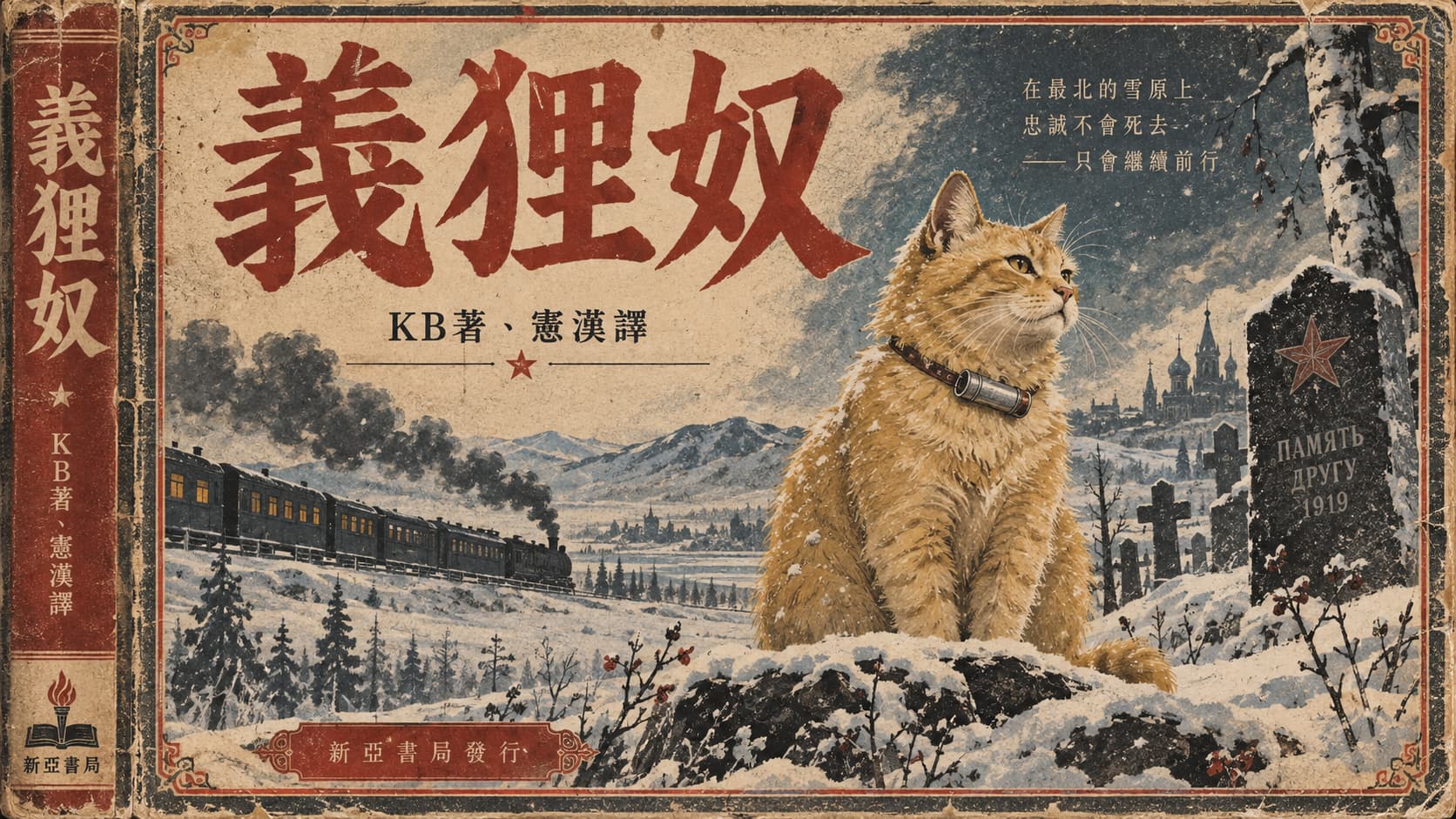
In the previous post, I wrote about how there is a body of writings that was produced by a small group of Vietnamese, including revolutionary Phan Bội Châu, who in…
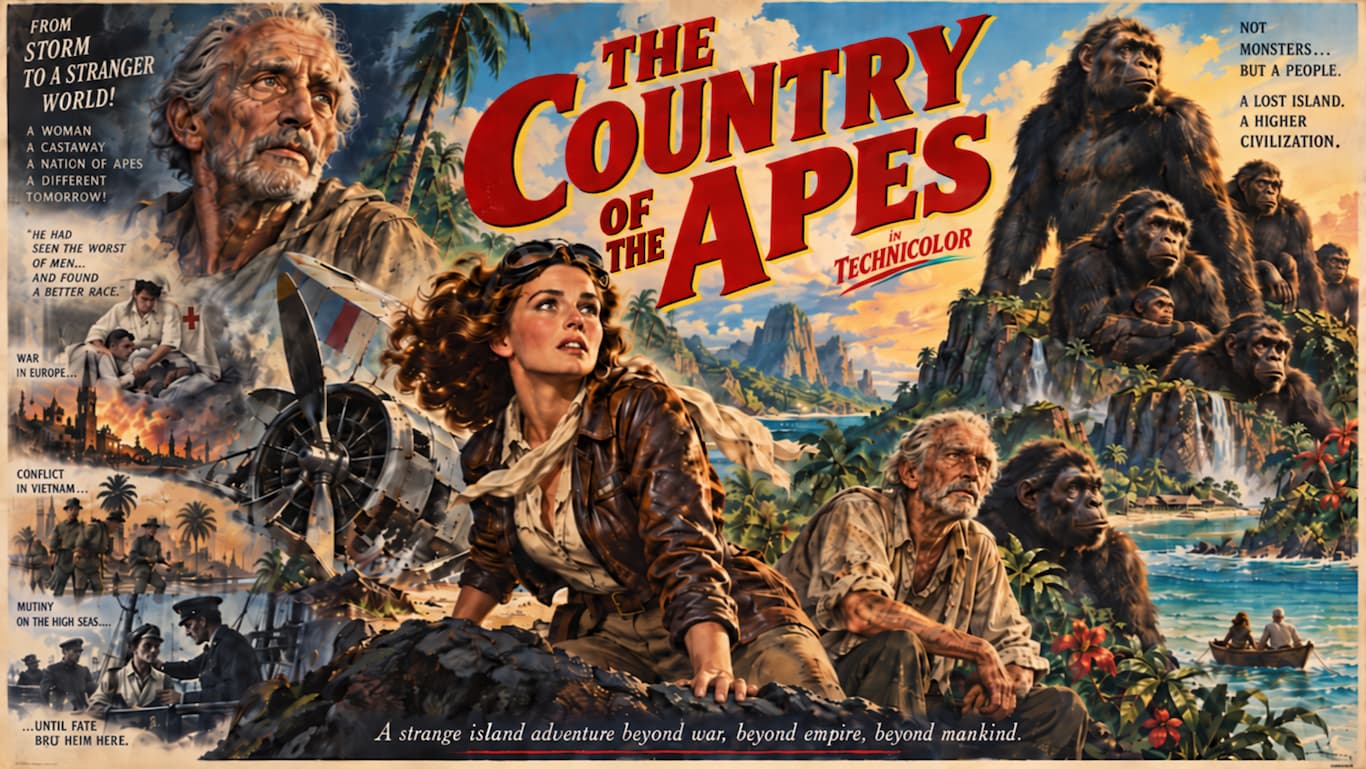
Have you ever heard of Vietnamese revolutionary Phan Bội Châu’s fictional writing “The Country of the Apes”?No, you haven’t.In fact, there are numerous writings by Phan Bội Châu that you…

Yet another milestone has been reached. ChatGPT (and Claude) can now conduct archival research in a digitized archive.A month and a half ago, I tried to get ChatGPT to investigate…
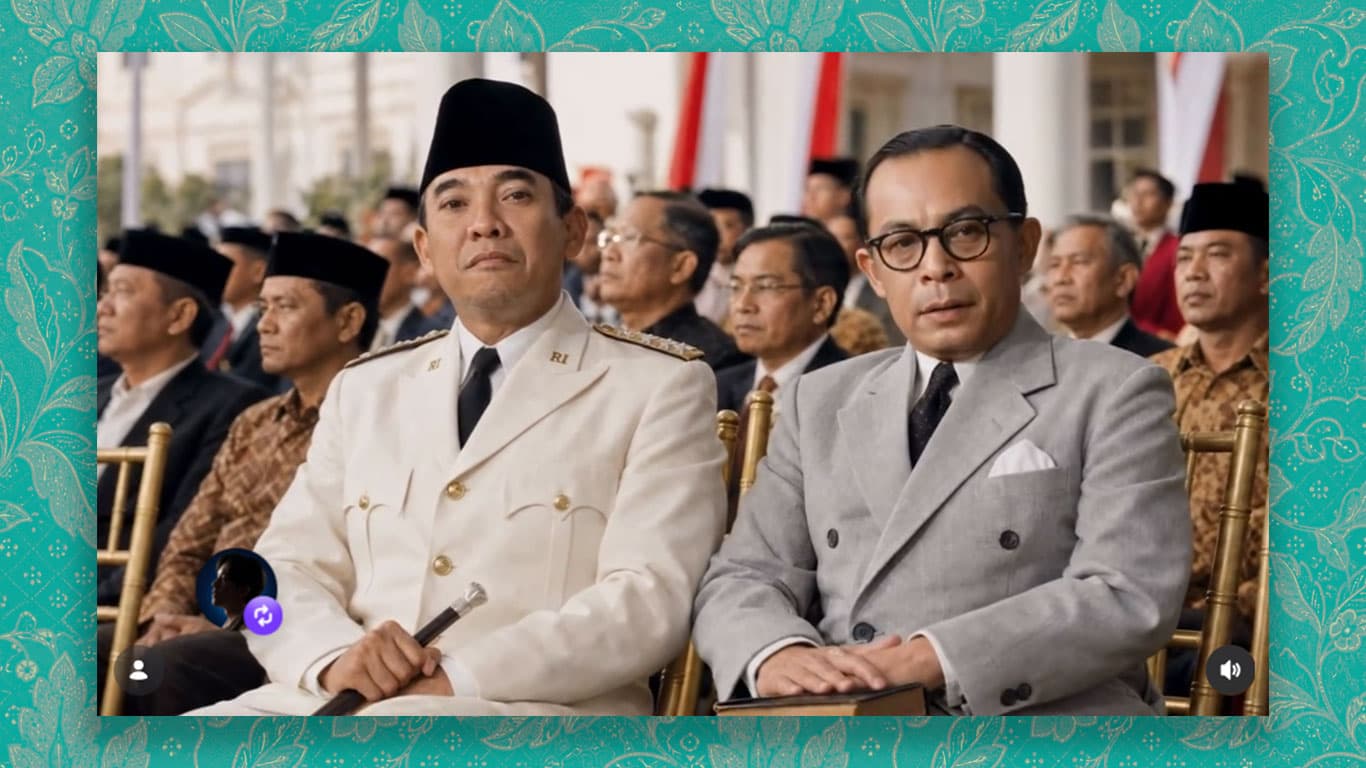
I don’t spend much time on Instagram, but I like what the algorithm there sends me. My “dream world” is one where aesthetics and history merge, and that is definitely…
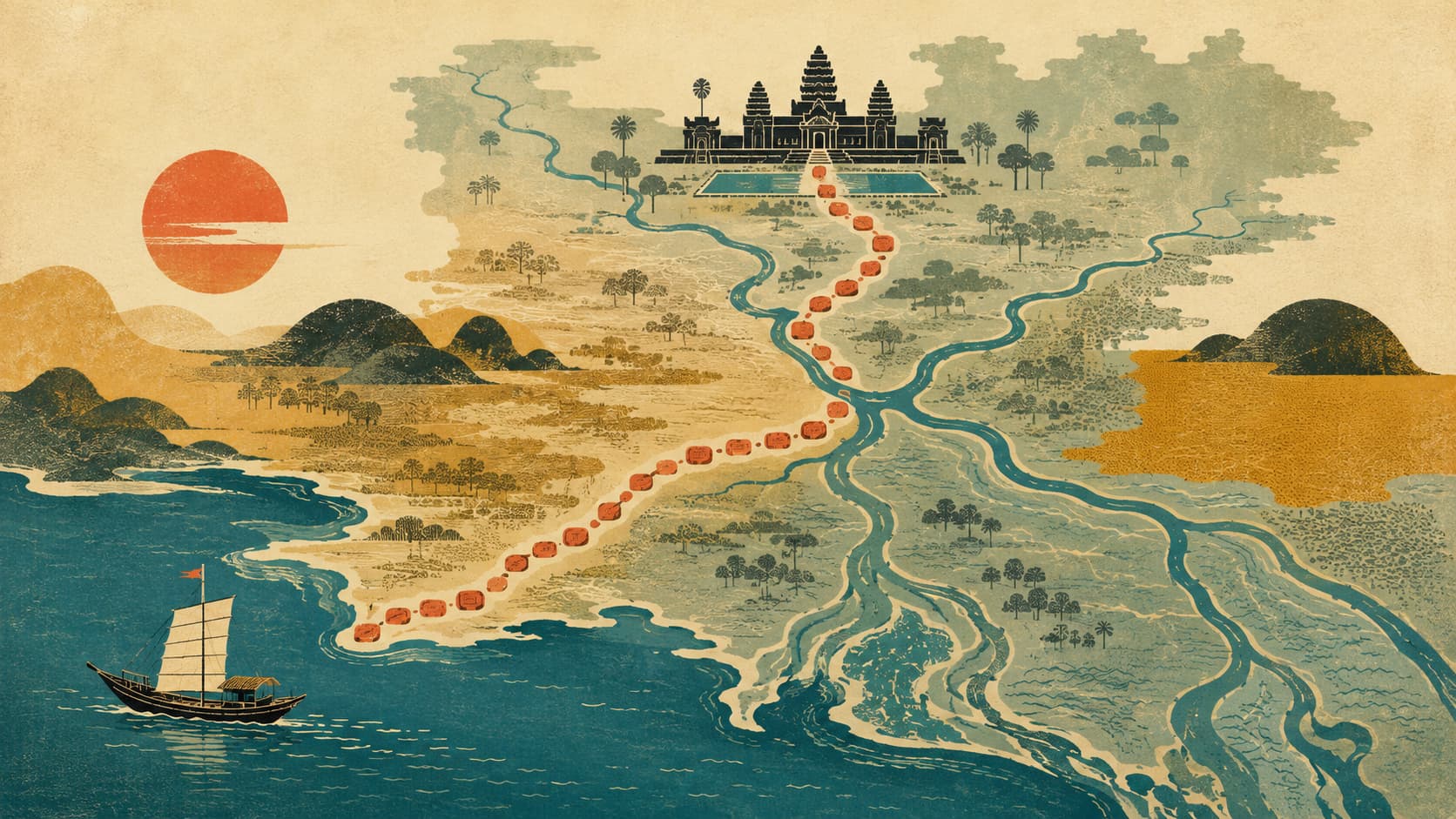
There is a major blind spot in the scholarship on Angkor. Scholars know that Angkor was connected by water from the Tonle Sap Lake to the Tonle Sap River and…
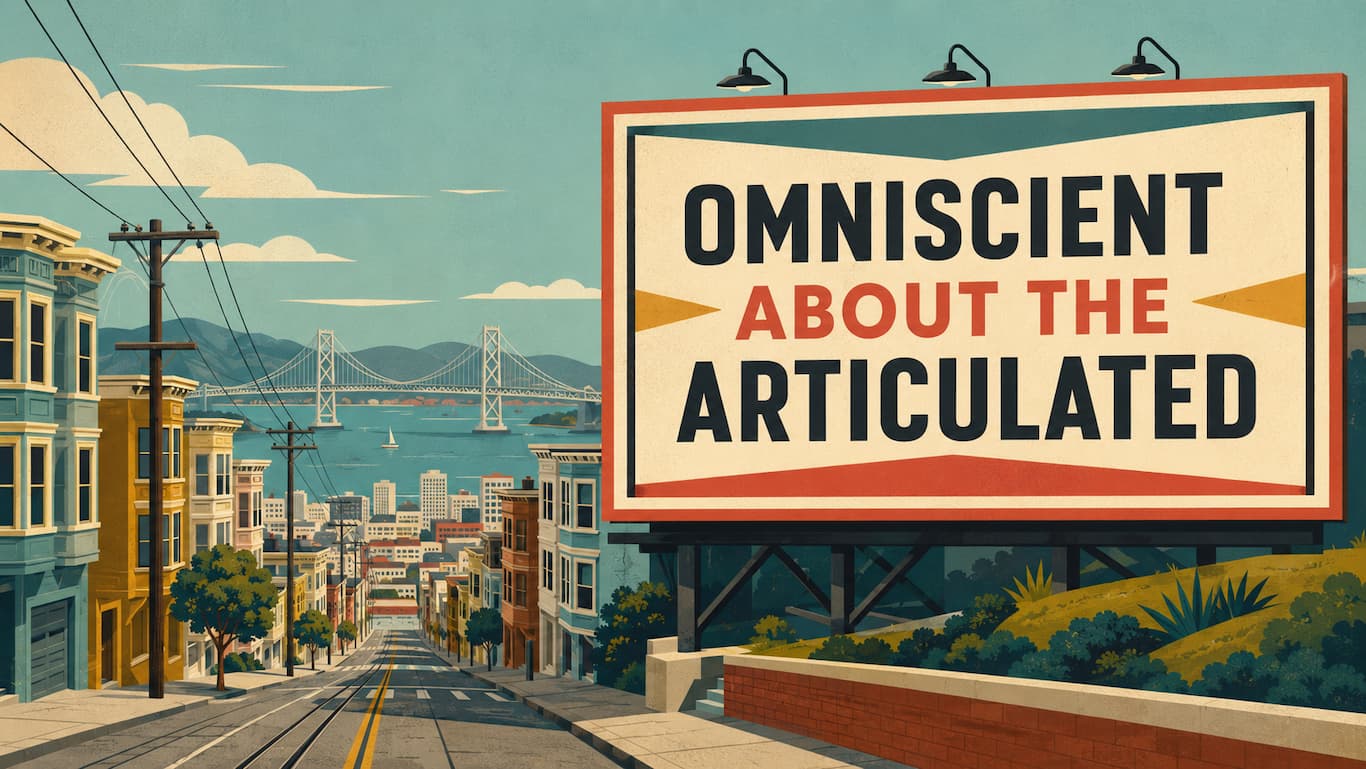
In the late 1990s, I remember that I used the Netscape browser. Then Microsoft Internet Explorer came along and then Firefox. . . At some point I “jumped ship” and…
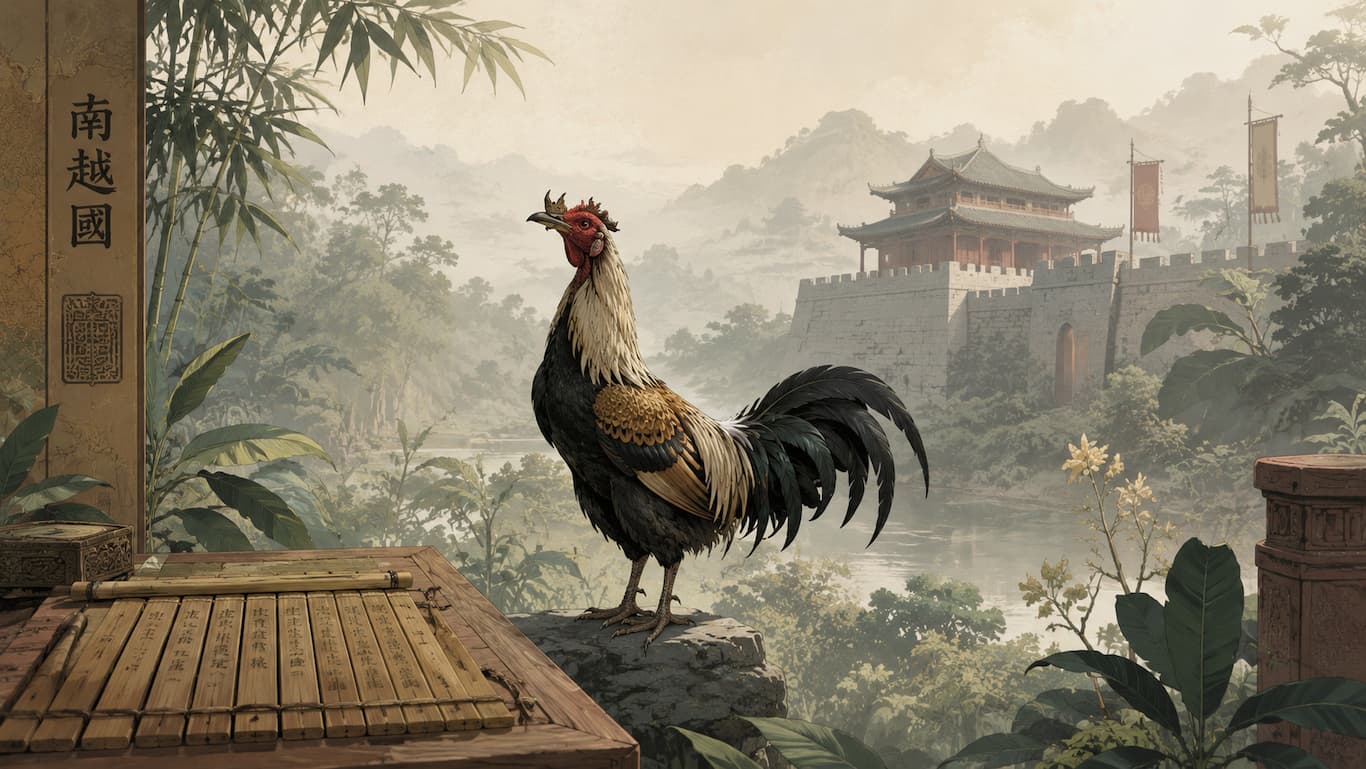
I have been spending some time recently looking at the wooden slips, or mujian 木簡 (Việt: mộc giản), that were excavated from the palace of the Nanyue Kingdom in Guangzhou.Nanyue/Nam…