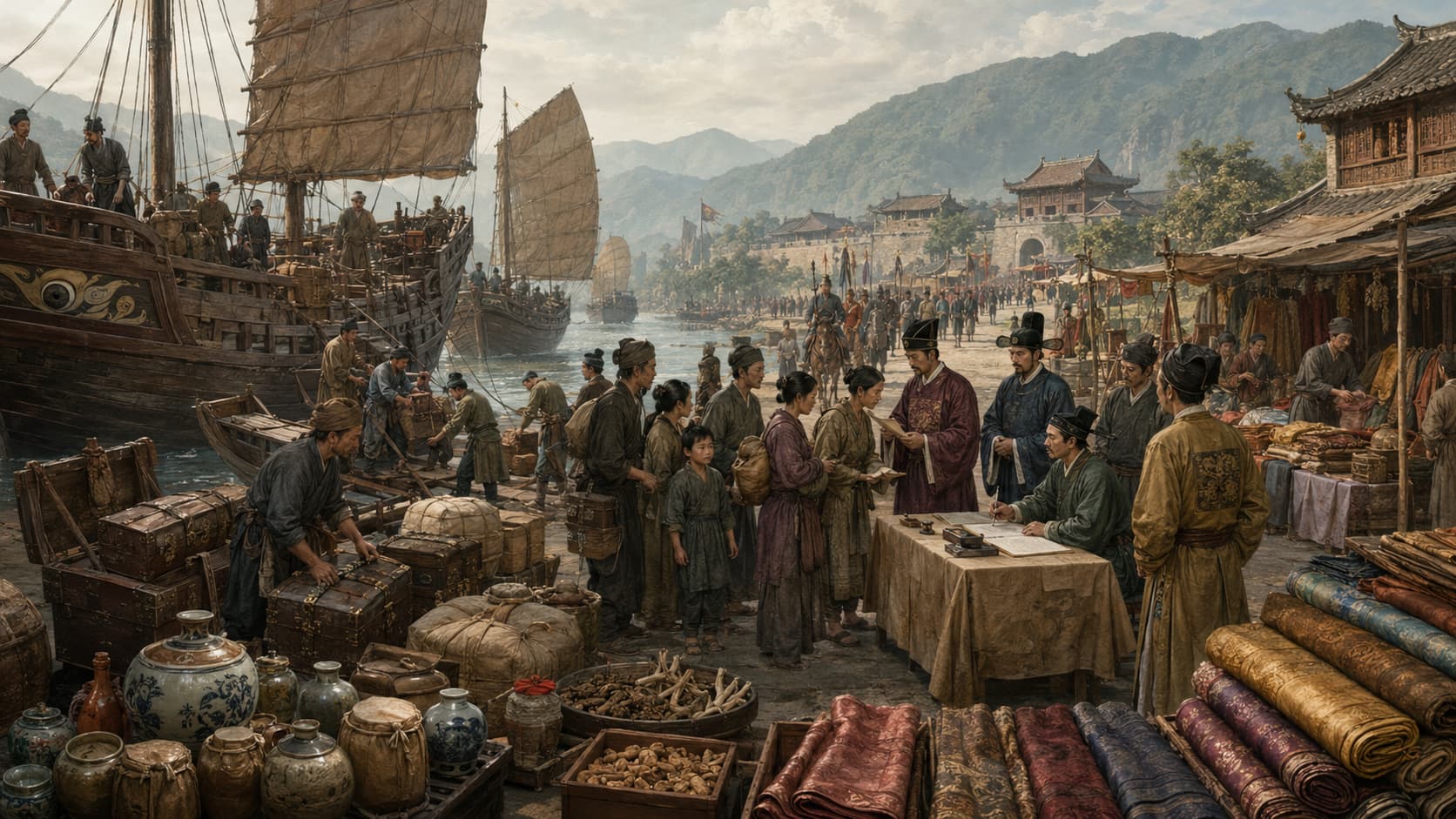
Who Were the Hồi Kê? (aka Historians! It’s Over!!!)
After a break for a few months, it’s difficult to get into the mood to write a new blog post. I have plenty of ideas, but when I think of…

After a break for a few months, it’s difficult to get into the mood to write a new blog post. I have plenty of ideas, but when I think of…
I like to use X/Twitter as a means to gain a sense of how people view a certain issue. This is because as polarized as most media is today, there…
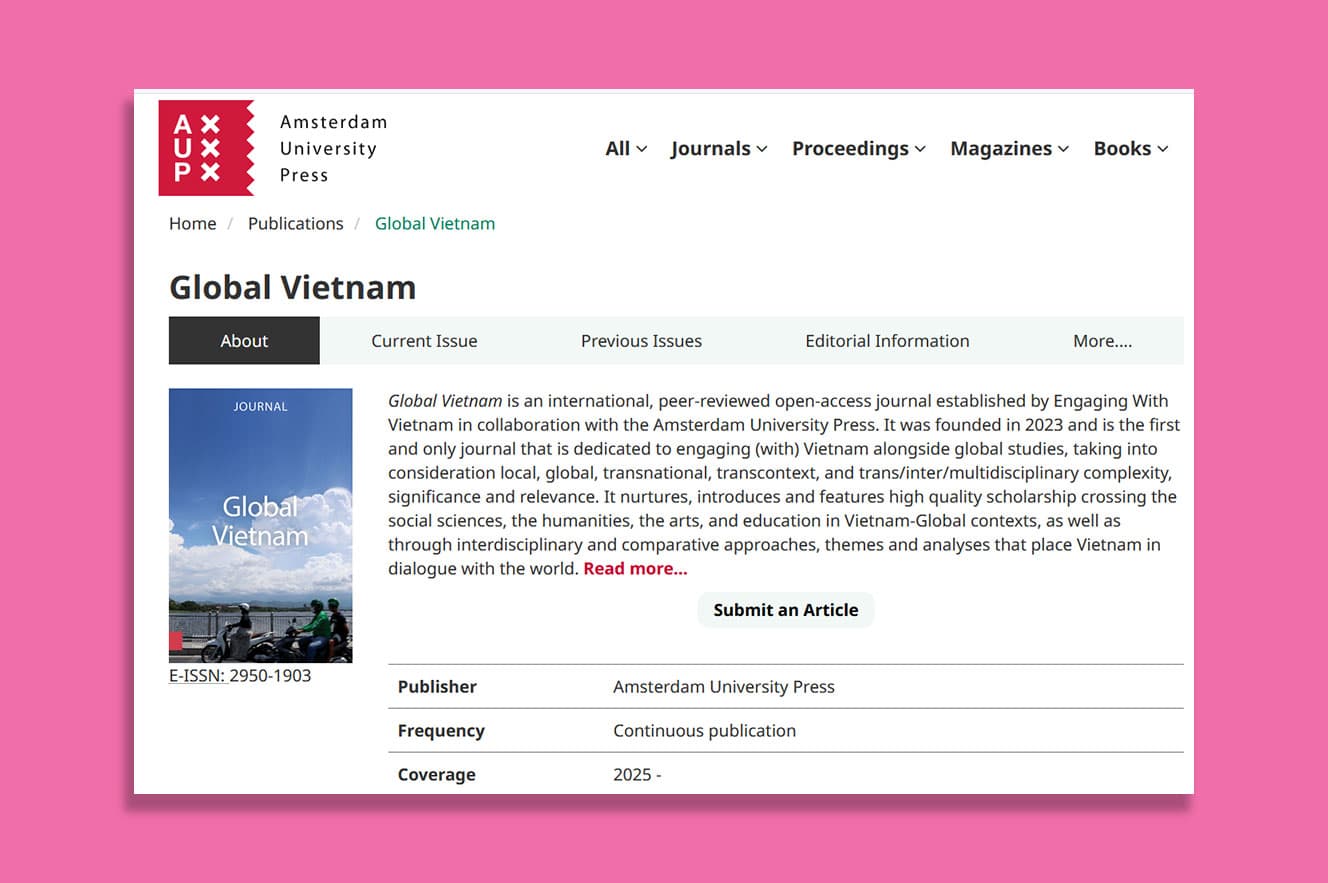
My colleague/wife/partner-in-crime Phan Lê Hà and I, with the generous support of dear colleagues, are launching a new journal called “Global Vietnam.”This journal will be published by Amsterdam University Press,…
I knew it would come to this. . .When photography was first invented, there were people who claimed that it was able to capture images of ghosts, the dead, etc.I’ve…
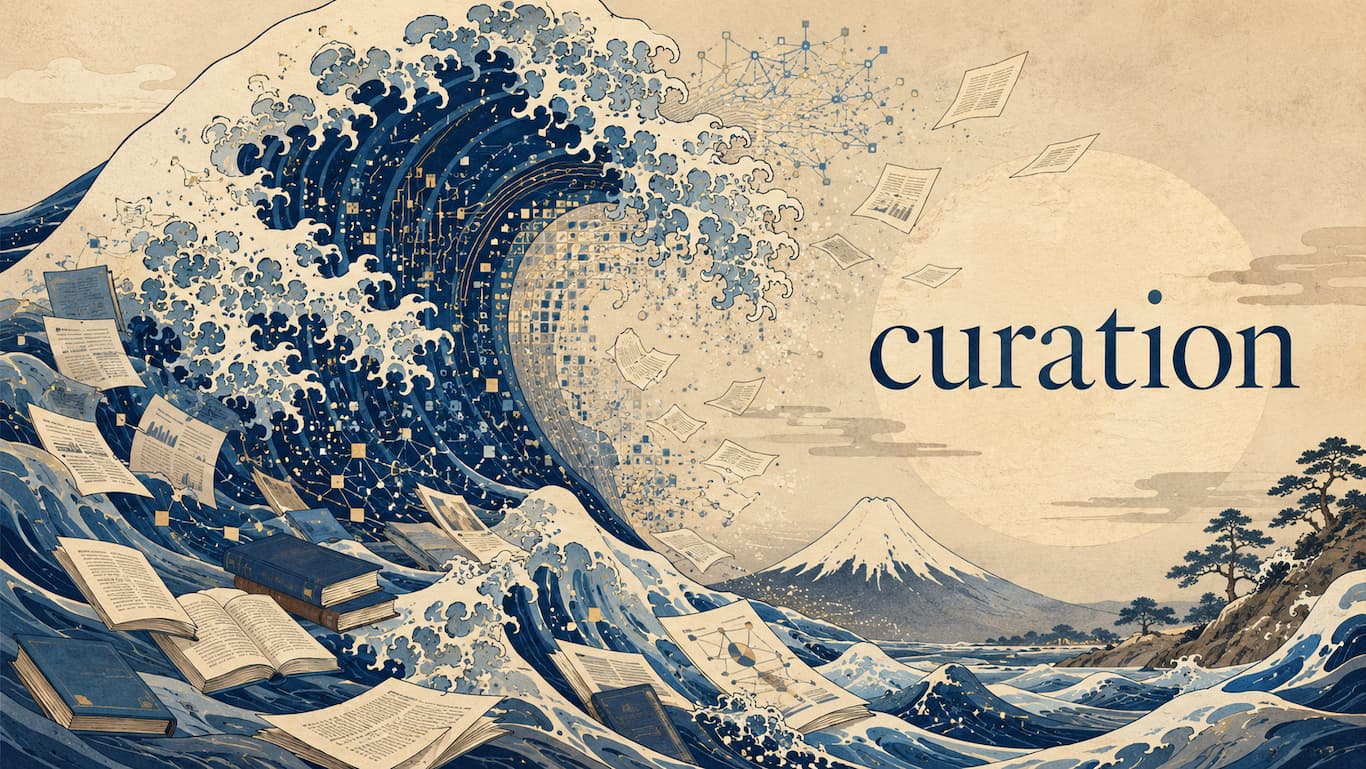
So, I have been experimenting.I have been trying to see what happens when one takes the kind of article that appears in journals such as the Journal of Asian Studies,…
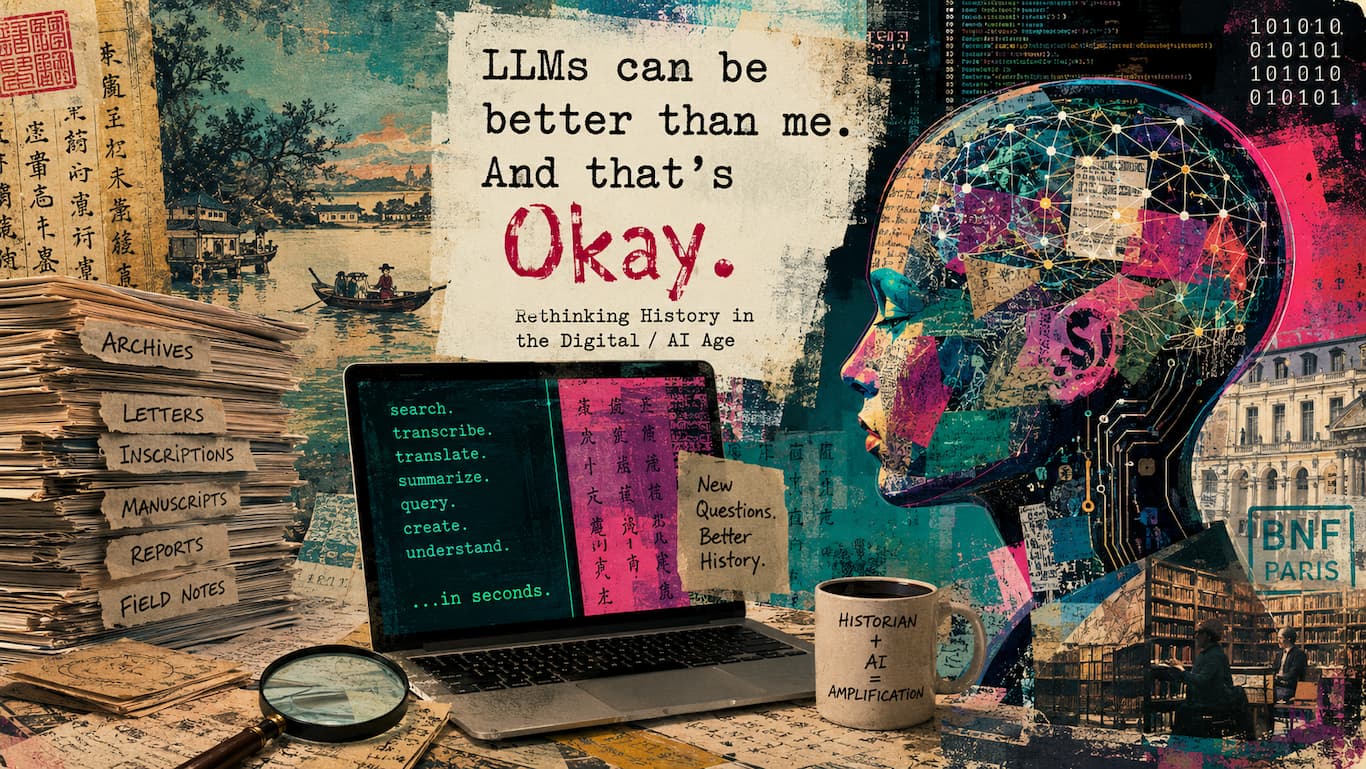
I recently wrote a brief post in which I admitted something that still feels a little strange to say out loud: LLMs can now do much of the work that…
For the past few months, I have been working heavily with ChatGPT (the paid version). It’s open all day long as I work on various things, and I repeatedly turn…
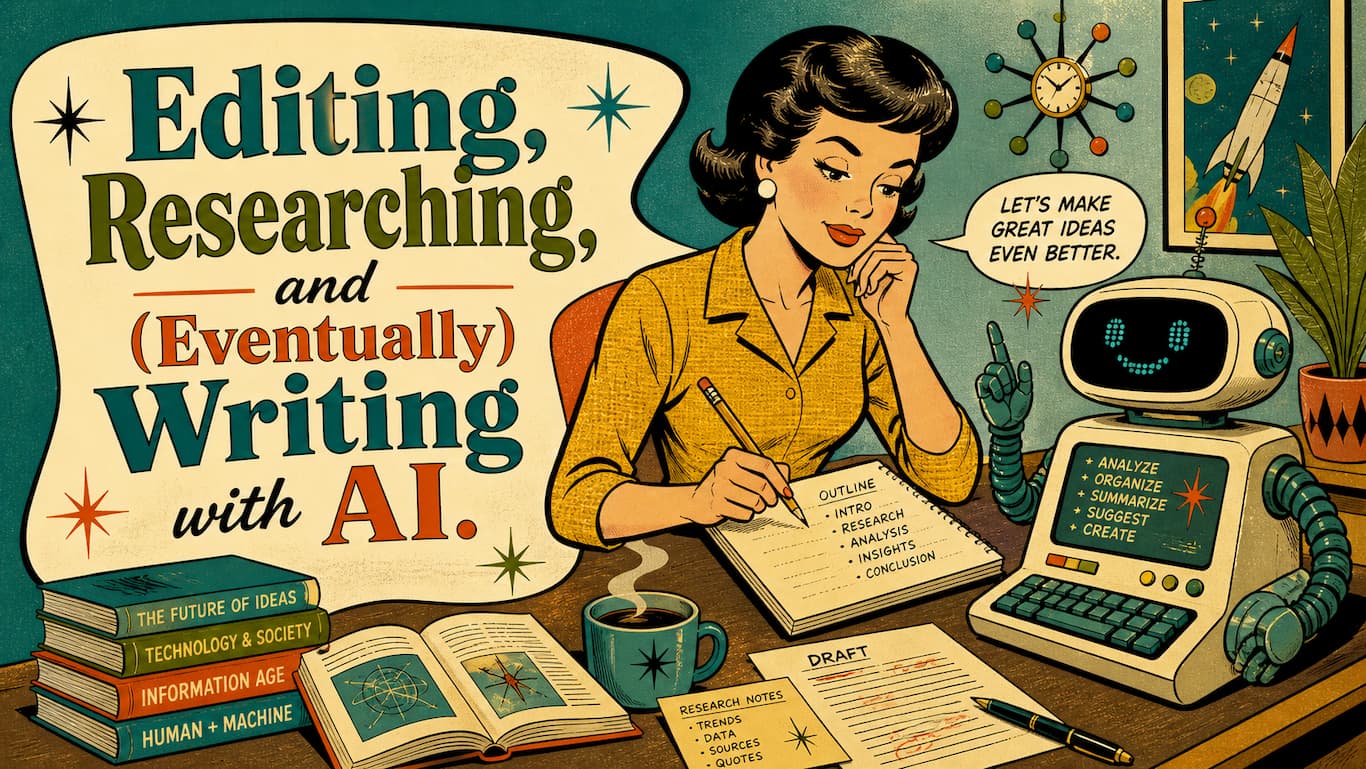
Over the past few years, I’ve seen the same pattern repeated over and over regarding statements made about LLMs. Someone will say something about the capabilities of a given LLM,…

In 2021, archaeologist Pierre-Yves Manguin published an article entitled “Srivijaya: Trade and Connectivity in the Pre-modern Malay World.” At the beginning of the article, Manguin traces the history of the…
Over the past couple of months, I have written a lot of blog posts on the scholarship on “Srivijaya” that makes use of Chinese sources.In particular, I went back to…