
In the extant English-language scholarship on Vietnam, most scholars argue that there was little presence of Confucianism during the period of the Lu00fd Dynasty (1009-1225) and that it was only towards the end of the Tru1ea7n Dynasty (1226-1400) that Confucian scholars started to attempt to exert some influence at the court.
However, the story goes that they had little success, and that it was only during the Lu00ea Dynasty (1428-1789), following a period of Ming Dynasty occupation, that Confucian scholars really began to influence affairs at the court.
I donu2019t agree with this view because 1) I can see plenty of evidence of Confucian ideas/practices in the Lu00fd and Tru1ea7n dynasty periods, and 2) I can see the way that scholars have misunderstood/distorted the information in the sources to make their arguments.
An example of this concerns the way that a couple of references in the u0110u1ea1i Viu1ec7t su1eed ku00fd tou00e0n thu01b0 to people referred to as u201cbu1ea1ch diu1ec7n thu01b0 sinhu201d u767du9762u66f8u751f have been presented and discussed. This phrase has been translated as u201cwhite-faced studentsu201d and u201cpale scholarsu201d and it appears a couple of times in the u0110u1ea1i Viu1ec7t su1eed ku00fd tou00e0n thu01b0 during the fourteenth century.
I want to look at one of those instances here, and more specifically, to look at how a couple of historians wrote about it. It dates from 1357, the year Emperor Tru1ea7n Minh Tu00f4ng died. This emperor reigned from 1314 to 1329, and then abdicated but continued to influence affairs.
Perhaps the first to write about the bu1ea1ch diu1ec7n thu01b0 sinh was Esta Serne Ungar in an unpublished 1983 PhD dissertation from Cornell University entitled, u201cVietnamese Leadership and Order: u0110u1ea1i Viu1ec7t Under the Lu00ea Dynasty (1428-1459). Ungar provided what she saw as the context for the appearance of this expression and translated part of the passage where it can be found.
By the mid-1300s prominent Tru1ea7n scholar-officials began to espouse more Confucian ideas on maintaining order. They urged the Tru1ea7n throne to adopt more stringent Confucian-style measures to stabilize the population. Two well-known officials, Lu00ea Bu00e1 Quu00e1t and Phu1ea1m Su01b0 Mu1ea1nh, disciples of the Confucian teacher Chu Van An, desired the emperor Tru1ea7n Minh-tu00f4n (d. 1357) to reform the Tran system of government. The Tru1ea7n ruler took refuge in dynastic pride in the old customs of the royal clan and chided these scholarly Confucian adherents for their inexperience:
The country has its own perfect institutes.
The South [Vietnam] and the North [China] are each different.
If I listen to the plans that [you] white-faced students are seeking to promote,
Then rebellion will result. (22-23)
Later, in 1987, John K. Whitmore, mentioned this passage as well [u201cFrom Classical Scholarship to Confucian Belief in Vietnam,u201d Vietnam Forum 9 (1987): 49-65], and stated the following:
Yet a certain tension was building up in these years between the traditional pattern and the increasing literati concern with administrative and social change. The same ruler, [Tru1ea7n] Minh-Tu00f4ng, complained of those he called u201cpale scholarsu201d who wished to impose the northern ways of China on the Vietnamese south. Declaring that the Chinese goal of a u201cgreat peaceu201d (thu00e1i-bu00ecnh in Vietnamese pronunciation) already existed in Vietnam, Minh-Tu00f4ng, saw no need to put aside the countryu2019s u201cestablished rules and regulations.u201d If such were done, he thought, u201cimmediate chaosu201d would result. (54)
First, letu2019s look at the wording here. On one side you have u201cthe old customs of the royal clanu201d or u201cthe traditional pattern,u201d and on the other you have u201cmore Confucian ideas on maintaining order,u201d u201cmore stringent Confucian-style measures,u201d and the desire u201cto impose the northern ways of China.u201d
Hmmm. . . Can you tell who the good guys and the bad guys are here?
I can. . . and that is already a sign that this is biased historical scholarship.
Both of these historians presented a dichotomy, u201ca certain tension,u201d in the fourteenth century between Vietnamese emperors/Vietnamese culture and Confucian scholars/Chinese culture. They both argued that Confucian scholars tried to impose new foreign/Chinese ways on Vietnam, and that this was rejected by the Tru1ea7n monarch who was firmly grounded in Vietnamese ways of doing things, and who dismissed these men as u201cwhite-facedu201d or u201cpale,u201d signifying their bookish ways and their detachment from the reality of Vietnam.
Further, both of these scholars saw this passage as demonstrating the initial (but failed) attempts of Vietnamese Confucian scholars to exert some influence at the court.
However, what neither of these scholars (or anyone else that I have seen) did, was to discuss the actual context for this information.
The statements that Ungar and Whitmore referenced were recorded in a comment made by historian Phan Phu Tiu00ean, who was commissioned in 1455 to compile a history of the Tru1ea7n Dynasty and the Ming occupation period of the early fifteenth century.
His comment appears after information about the death of Emperor Tru1ea7n Minh Tu00f4ng in 1357. I have provided a translation below. I will note here first though that the expression u201cbu1ea1ch diu1ec7n thu01b0 sinhu201d is a reference to someone who is young and inexperienced.
The first part, u201cbu1ea1ch diu1ec7n,u201d literally means u201cwhite face,u201d and refers to someone who is young and inexperienced. The second part, u201cthu01b0 sinh,u201d means u201cstudent.u201d To capture the sense of this term and to keep a reference to color, I translate it loosely below as u201cgreenhorn students.u201d
Here is what Phan Phu Tiu00ean wrote.
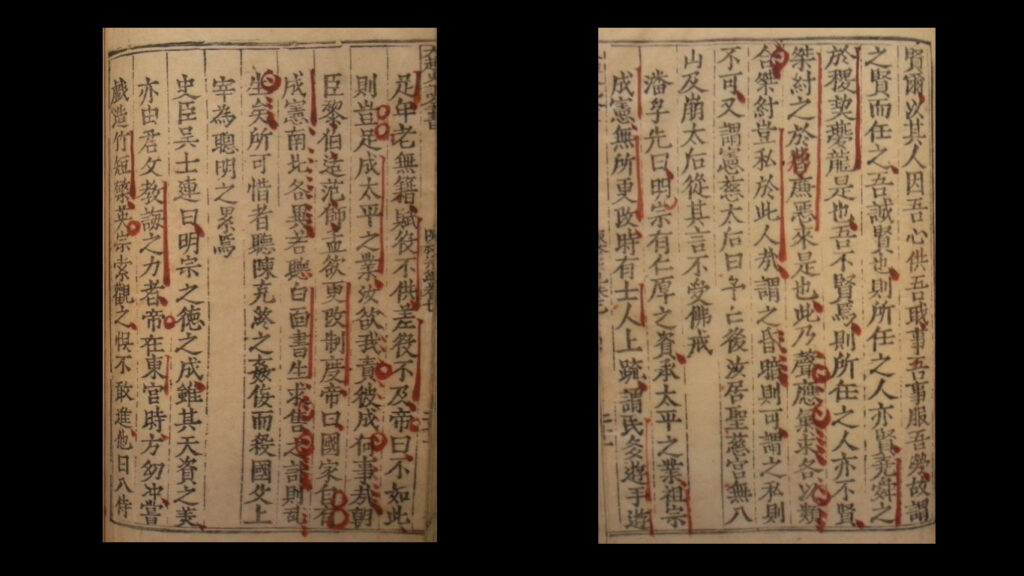
u6f58u5b5au5148u66f0uff1au660eu5b97u6709u4ec1u539au4e4bu8cc7uff0cu627fu592au5e73u4e4bu696duff0cu7956u5b97u6210u61b2uff0cu7121u6240u66f4u6539u3002u6642u6709u58ebu4ebau4e0au758fuff0cu8b02u6c11u591au904au624bu904au8db3uff0cu5e74u8001u7121u7c4duff0cu8ce6u5f79u4e0du4f9buff0cu5deeu5f79u4e0du53cau3002u5e1du66f0uff1au300cu4e0du5982u6b64uff0cu5247u8c48u8db3u6210u592au5e73u4e4bu696du3002u6c5du6b32u6211u8cacu5f8cu6210u4f55u4e8bu54c9u3002
u671du81e3u9eceu4f2fu9002u3001u8303u5e2bu5b5fu6b32u66f4u6539u5236u5ea6uff0cu5e1du66f0uff1au300cu570bu5bb6u81eau6709u6210u61b2uff0cu5357u5317u5404u7570u3002u82e5u807du767du9762u66f8u751fu6c42u552eu4e4bu8a08uff0cu5247u4e82u751fu77e3u3002u300d
u6240u53efu60dcu8005uff0cu807du9673u514bu7d42u4e4bu59e6u4f5euff0cu800cu6bbau570bu7236u4e0au5bb0uff0cu70bau8070u660eu4e4bu7d2fu7109u3002
Phan Thu Tiu00ean nu00f3i: Minh Tu00f4ng cu00f3 bu1ea9m tu00ednh nhu00e2n hu1eadu, nu1ed1i nghiu1ec7p thu00e1i bu00ecnh, phu00e9p cu0169 cu1ee7a tu1ed5 tu00f4ng, khu00f4ng thay u0111u1ed5i gu00ec cu1ea3. Bu1ea5y giu1edd cu00f3 ku1ebb su0129 du00e2ng su1edb nu00f3i lu00e0 trong du00e2n gian cu00f3 nhiu1ec1u ngu01b0u1eddi du thu1ee7 du [21b] thu1ef1c, u0111u1ebfn giu00e0 vu1eabn khu00f4ng cu00f3 hu1ed9 tu1ecbch, thuu1ebf mu00e1 khu00f4ng nu1ed9p, sai du1ecbch khu00f4ng theo. Vua nu00f3i:
u201cKhu00f4ng nhu01b0 thu1ebf, thu00ec sao thu00e0nh u0111u1eddi thu00e1i bu00ecnh? [This translation is not correct. It is not a u201cu0111u1eddiu201d (age) that is thu00e1i bu00ecnh, but a u201cnghiu1ec7pu201d u696d (enterprise)] Ngu01b0u01a1i muu1ed1n ta tru00e1ch phu1ea1t hu1ecd thu00ec u0111u01b0u1ee3c viu1ec7c gu00ec khu00f4ng?u201d
Triu1ec1u thu1ea7n nhu01b0 bu1ecdn Lu00ea Bu00e1 Quu00e1t, Phu1ea1m Su01b0 Mu1ea1nh muu1ed1n thay u0111u1ed5i chu1ebf u0111u1ed9. Vua nu00f3i: u201cNhu00e0 nu01b0u1edbc u0111u00e3 cu00f3 phu00e9p tu1eafc riu00eang, Nam, Bu1eafc khu00e1c nhau, nu1ebfu nghe ku1ebf cu1ee7a bu1ecdn hu1ecdc tru00f2 mu1eb7t tru1eafng tu00ecm u0111u01b0u1eddng thou00e1t thu00e2n thu00ec sinh lou1ea1n ngay.u201d
u0110iu1ec1u u0111u00e1ng tiu1ebfc lu00e0 nghe lu1eddi gian nu1ecbnh cu1ee7a Tru1ea7n Khu1eafc Chung mu00e0 giu1ebft Quu1ed1c phu1ee5 thu01b0u1ee3ng tu1ec3, u0111u00f3 lu00e0 u0111iu1ec3m ku00e9m thu00f4ng minh vu1eady.
Phan Phu Tiu00ean stated, Minh Tu00f4ng had a sincere and charitable disposition. He inherited a [royal] enterprise at peace and did not change any of his ancestorsu2019 established regulations. At that time, there was a scholar who submitted a petition stating that there were many people wandering about unemployed, who reached old age without a registered home, and who did not pay taxes or fulfill corvu00e9e labor obligations.
The emperor stated, u201cIf it was not like this, then what would be sufficient to establish a peaceful [royal] enterprise? You want me to reprimand [people], but what would that lead to?u201d
Court ministers Lu00ea Bu00e1 Quu00e1t and Phu1ea1m Su01b0 Mu1ea1nh wanted to change the system. The emperor stated, u201cThe kingdom has its own established regulations. The South and the North are different. If I follow the plan that these greenhorn bookworms have to offer, then there will be chaos.u201d
What is regrettable is that he listened to the deceitful words of Tru1ea7n Khu1eafc Chung and killed the State Father and Honorary Prime Minister [i.e., Tru1ea7n Quu1ed1c Chu1ea9n], which became a burden to his wisdom.
Let us look closely at this passage. A scholar pointed out to the emperor that there were many unemployed and landless people in the realm, and the emperor responded by saying u201cIf it was not like this, then what would be sufficient to establish a peaceful [royal] enterprise?u201d u201c[Royal] enterpriseu201d (nghiu1ec7p u696d) here means a u201cdynasty.u201d
Ok, letu2019s think about this. Having unemployed and landless people is necessary for there to be a peaceful dynasty.
Think about that again. Having unemployed and landless people is necessary for there to be a peaceful dynasty.
What is the context here?
The only situation that I can imagine would fit this context is one in which the royal family had allowed other powerful families (or branches of the extended royal family) to accumulate land. This would have created landlessness and unemployment for many, but it would have made those few powerful families wealthy and happy.
This would have been sufficient to keep the dynasty u201cpeacefulu201d as the people most likely to challenge the dynasty for power would have been satisfied.
That, of course, is not a good situation, and two of the court officials wished to change certain regulations to address that issue.
The emperor, however, disagreed. He felt that the current conditions were necessary to maintain the peace in the land that his father had passed on to him, and he declared that he did not want Northern (u201cChineseu201d) regulations to be put in place in the South (u201cVietnamu201d).
Over the centuries, scholars in China had come up with various policies to try to alleviate the problem of landlessness (like the equal field system), and my guess is that this is what Lu00ea Bu00e1 Quu00e1t and Phu1ea1m Su01b0 Mu1ea1nh suggested.
As such, while I guess that at one level you could say that the emperoru2019s response about the differences between the South and the North was indeed meant to prevent the import of u201cforeignu201d ideas.
However, Ungar and Whitmore presented this statement as confirming a significant cultural difference at this time between the ways of the Chinese-influenced white/pale faced students/scholars and the Vietnamese monarch.
In reality what we see here is an emperor protecting a corrupt and exploitative system of government from reforms that would have benefited common people, and would have brought wealth from taxes to the central court, but which ran the risk of alienating the corrupt powerful elite.
But, yes, whatever plan Lu00ea Bu00e1 Quu00e1t and Phu1ea1m Su01b0 Mu1ea1nh suggested was probably one that had a precedent in China. However, was this really one of the first times that a scholar-official had proposed such ideas at the court?
Is it really the case that for centuries before this point Vietnamese courts had followed some non-Confucian u201cVietnameseu201d way of doing things?
There are different ways that we can answer this question, but here is one.
In 1314, the year Tru1ea7n Minh Tu00f4ng came to power, an exam was held to test National University students (Thu00e1i hu1ecdc sinh u592au5b78u751f). The National University (Thu00e1i hu1ecdc u592au5b78u751f) was a school for the sons of the royal family and top officials.
It was not the only school, and it was not the only pathway to government service. One could take the civil service exam and be selected for government service as well. In fact, those who passed the civil service exam tended to garner more prestige. However, having sons study in the National University was a way for the elite to maintain their privileged status.
So, was the examination of National University Students in 1314 the first time that this exam had ever been held? No, the u0110u1ea1i Viu1ec7t su1eed ku00fd tou00e0n thu01b0 mentions such exams in the years 1232, 1239, 1247 (48 students selected), 1256 (43 students selected), 1266 (47 students selected), 1275 (27 students selected), 1304 (44 students selected), 1314 (the first year of Tru1ea7n Minh Tu00f4ngu2019s reign), 1345, 1347, etc.
Were these the only times that this exam was ever held? Again, no, there is no reason to think that. There is a note appended to the information about the 1347 exam which indicates that u201cformerly,u201d meaning the u201cofficial,u201d u201ctheoreticalu201d functioning of this exam (in China) was for it to be held once every seven years and for 30 students to be selected each time.
So, in terms of the quantity of students selected, we can see that the Tru1ea7n exceeded that number a few times. My guess would be that the exam was also held with more regularity than the u0110u1ea1i Viu1ec7t su1eed ku00fd tou00e0n thu01b0 records.
And how were people like the National University students or the men who passed the civil service exam perceived? Letu2019s look at what the u0110u1ea1i Viu1ec7t su1eed ku00fd tou00e0n thu01b0 records about an exam that was held in 1304, ten years before Tru1ea7n Minh Tu00f4ng ascended the throne.
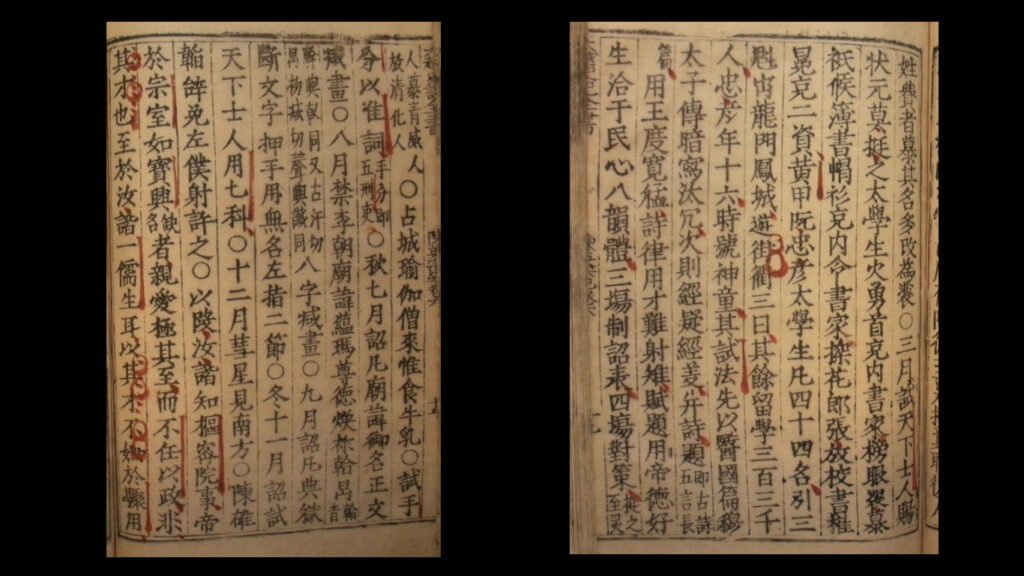
u4e09u6708uff0cu8a66u5929u4e0bu58ebu4ebau3002u8cdcu72c0u5143u83abu633au4e4bu592au5b78u751fu706bu52c7u9996uff0cu5145u5185u66f8u5bb6u3002u699cu773cu88f4u6155u7957u5019u7c3fu66f8u5e3du886buff0cu5145u5185u4ee4u66f8u5bb6u3002u63a2u82b1u90ceu5f35u653eu6821u66f8u6b0au5195 [u6b0au5195 doesnu2019t make sense, but u8ed2u5195 would]uff0cu5145u4e8cu8cc7uff0cu9ec3u7532u962eu5fe0u5f66uff0cu592au5b78u751fu51e1u56dbu5341u56dbu540du3002u5f15u4e09u9b41u51fau9f8du9580u9cf3u57ceuff0cu904au8857u8862u4e09u65e5uff0cu5176u9918u7559u5b78u4e09u767eu4e09u5341u4ebau3002(u5fe0u5f66u5e74u5341u516duff0cu6642u865fu795eu7ae5u3002)
u5176u8a66u6cd5u5148u4ee5u300au91abu570bu7bc7u300bu3001u300au7a46u592a {u5929} u5b50u50b3u300bu6697u5bebu6c70u5197uff1bu6b21u5247u7d93u7591u3001u7d93u7fa9u5e76u8a69u984c (u5373u53e4u8a69u4e94u8a00u9577u7bc7)u3002u7528u738bu5ea6u5becu731bu8a69u5f8buff0cu7528u624du96e3u5c04u96c9u8ce6u984cuff0cu7528u5e1du5fb7u597du751fu6d3du4e8eu6c11u5fc3u516bu97fbu9ad4uff0cu4e09u9577u5236u8a54u8868uff0cu56dbu5872u5c0du7b56u3002(u633au4e4bu81f3u9748u4ebauff0cu6155u9752u5a01u4ebauff0cu653eu6e05u5316u4ebau3002)
Thu00e1ng 3, thi ku1ebb su0129 trong nu01b0u1edbc. Ban cho tru1ea1ng nguyu00ean. Mu1ea1c u0110u0129nh Chi chu1ee9c Thu00e1i hu1ecdc sinh hu1ecfa du0169ng thu1ee7, sung lu00e0m nu1ed9i thu01b0 gia; bu1ea3ng nhu00e3n Bu00f9i Mu1ed9 chu1ee9c chi hu1eadu bu1ea1 thu01b0 mu1ea1o sam, sung lu00e0m nu1ed9i lu1ec7nh thu01b0 gia; thu00e1m hoa lang Tru01b0u01a1ng Phu00f3ng chu1ee9c Hiu1ec7u thu01b0 quyu1ec1n miu1ec7n, sung lu00e0m nhu1ecb tu01b0 [In this passage it says u201cu5145 (sung) nhu1ecb tu01b0,u201d but in other places it says u201cu7235 (tu01b0u1edbc) nhu1ecb tu01b0u201d]; Nguyu1ec5n Trung Ngu1ea1n u0111u1ed7 hou00e0ng giu00e1p; tu1ea5t cu1ea3 44 ngu01b0u1eddi u0111u1ed7 thu00e1i hu1ecdc sinh. Du1eabn 3 ngu01b0u1eddi u0111u1ed7 u0111u1ea7u ra cu1eeda Long Mu00f4n cu1ee7a Phu01b0u1ee3ng Thu00e0nh u0111i du ngou1ea1n u0111u01b0u1eddng phu1ed1 3 ngu00e0y. Cu00f2n 330 ngu01b0u1eddi khu00e1c thu00ec u1edf lu1ea1i hu1ecdc tu1eadp. Trung Ngu1ea1n mu1edbi 16 tuu1ed5i, u0111u01b0u01a1ng thu1eddi gu1ecdi lu00e0 thu1ea7n u0111u1ed3ng.
Vu1ec1 phu00e9p thi: Tru01b0u01a1c hu1ebft thi u00e1m tu1ea3 thiu00ean Y quu1ed1c vu00e0 truyu1ec7n Mu1ee5c Thiu00ean tu1eed u0111u1ec3 lou1ea1i bu1edbt. Thu1ee9 u0111u1ebfn kinh nghi, kinh nghu0129a, u0111u1ec1 thu01a1 (tu1ee9c thu1ec3 cu1ed5 thi ngu0169 ngu00f4n tru01b0u1eddng thiu00ean) hu1ecfi vu1ec1 u201cvu01b0u01a1ng u0111u1ed9 khoan mu00e3nh,u201d theo luu1eadt u201ctu00e0i nan xu1ea1 tru0129,u201d vu1ec1 phu00fa thu00ec du00f9ng thu1ec3 8 vu1ea7n u201cu0111u1ebf u0111u1ee9c hiu1ebfu sinh, hiu1ec7p vu1ee5 du00e2n tu00e2m.u201d Ku1ef3 thu1ee9 ba thi chu1ebf, chiu1ebfu, biu1ec3u. Ku1ef3 thu1ee9 tu01b0 thi u0111u1ed1i su00e1ch. (u0110u0129nh Chi ngu01b0u1eddi Chu00ed Linh [6/19b], Mu1ed9 ngu01b0u1eddi Thanh Oai, Phu00f3ng ngu01b0u1eddi Thanh Hu00f3a).
In the third lunar month, a palace exam was held for presented scholars [tiu1ebfn su0129 u9032u58eb]. The [position of] principal graduate was granted to Mu1ea1c u0110u0129nh Chi, Courageous Squad Leader of the National University Students, who was appointed as a palace scribe; second graduate was granted to Bu00f9i Mu1ed9, Hooded-Robe Attendant of Official Documents, who was appointed a royal scribe; third graduate was granted to Tru01b0u01a1ng Phu00f3ng, the Noble-Capped Copyeditor, who was given a second-grade rank. Golden tier was granted to Nguyu1ec5n Trung Ngu1ea1n, and there were forty-four National University students [who passed].
The top three scholars were led out of the Phoenix Citadelu2019s Dragon Gate and paraded through the streets for three days. 310 others stayed to continue their studies. (Trung Ngu1ea1n was sixteen at the time and was called a child prodigy [literally, u201cdivine childu201d (thu1ea7n u0111u1ed3ng u795eu7ae5)].)
As for the examination method, it started with dictation of the u201cMedical Kingdom chapteru201d (sic.) and the u201cBiography of King Mu, Son of Heavenu201d to eliminate the superfluous. Next came questions on the classics, explanations of the classics, and poetic composition (that is, ancient style five-character and long-form poems). The regulated verse was on u201cthe royal temperament of leniency and strictness.u201d The rhapsody was on u201cthe difficulty of obtaining talented men, and shooting pheasants.u201d The eight-rhyme regulated rhapsody was on u201cthe emperoru2019s life-loving virtue seeps into the minds of the people.u201d
The third session was on drafting decrees, edicts and petitions and the fourth session was on answering policy questions. (u0110u0129nh was from Chu00ed Linh, Mu1ed9 from Thanh Oai, and Phu00f3ng from Thanh Hu00f3a.)
There is a lot that can be said about this passage. First, we can see the close connection between this exam and the palace. The top three candidates were given posts, but they already held minor positions (that’s what the titles after their names refer to).
Second, getting paraded around the streets for three days is a sign that these men were appreciated.
Third, the fact that there were over 300 men who continued their studies in the capital is a sign that there was a vibrant community of scholars there.
Fourth, we have the content of the exams. They started with a dictation exam to weed out those who were not prepared. One of the texts that was employed was a work from the Warring States period called the u201cBiography of King Mu, Son of Heavenu201d (Mu Tianzi zhuan u7a46u5929u5b50u50b3).
The other title has long baffled scholars, the u201cMedical Kingdom chapteru201d (Y quu1ed1c thiu00ean/Yiguo pian u91abu570bu7bc7), as no such text appears to have ever existed.
My guess would be that the man who carved the woodblock print made a mistake, or was working with a text that had a mistaken character, and that this was perhaps originally a reference to another document from the Warring States period, the u201cOn Enriching the Stateu201d chapter (Fuguo pian u5bccu570bu7bc7) in the Xunzi u8340u5b50.
The u5bcc and u91ab are both squarish characters with many strokes. . . And we can see that the title next to it, u7a46u5929u5b50u50b3, was mistakenly written as u7a46u592au5b50u50b3. . . Yea, I think we have a case that someone was not paying attention. . .
Moving on, the information about the themes of the poetic writings is really interesting because it shows a focus on the emperor, and in particular, we can see that it highlights ideals about how an emperor and his officials should behave.
For instance, in the regulated verse, the exam candidates were supposed to write about how the u201croyal temperamentu201d was one of u201cleniency and strictness.u201d In their regulated rhapsody, they were to show how u201cthe emperoru2019s life-loving virtue seeps into the minds of the people,u201d an idea that comes from the u201cCounsels of the Great Yuu201d (Da Yu mo u5927u79b9u8b28) chapter in the Venerated Documents (Shangshu u5c1au66f8).
Finally, in their rhapsody, they were to talk about u201cthe difficulty of obtaining talented men, and shooting pheasants.u201d This looks odd, but I think I can guess the logic here.
The concept of u201cthe difficulty of obtaining talented menu201d (tu00e0i nan u624du96e3) was that it was always difficult for an emperor to find truly talented men to serve in his court. On the surface, u201cshooting pheasantsu201d (xu1ea1 tru0129 u5c04u96c9) does not seem to be related to this, but in fact, I can see a connection.
There is a famous story in the ancient text, the Zuo Commentary (Zuozhuan u5de6u50b3), about a man who had a wife who did not speak or laugh for three years. The man then shot a pheasant and his wife began to laugh and speak.
Yea, I know, she seems a bit dark and deranged, but thatu2019s not the point of the story. . .
The man then said to his wife that talent cannot be restricted to oneself. If he had kept his talent (of shooting pheasants) to himself, then his wife would never have been able to talk and laugh.
Taken together, I can see where these references were leading. The exam candidates were supposed to compose a poetic rhapsody on 1) how it is difficult for emperors to obtain capable officials, and 2) how capable men should not withhold their talent, but instead, must use it to serve the emperor.
It should be perfectly clear by now that when Tru1ea7n Minh Tu00f4ng rejected the proposal of Lu00ea Bu00e1 Quu00e1t and Phu1ea1m Su01b0 Mu1ea1nh it was not because it was some alien form of knowledge. As the above discussion should make blazingly clear, the Tru1ea7n Dynasty was deeply invested in Confucian knowledge and the Confucian worldview.
That the ideas of Lu00ea Bu00e1 Quu00e1t and Phu1ea1m Su01b0 Mu1ea1nh came from the Confucian tradition was not the problem. The problem was that their ideas pointed to the corrupt foundation of the dynasty.
Further, that Tru1ea7n Ming Tu00f4ng referred to those two men as u201cbu1ea1ch diu1ec7n thu01b0 sinhu201d was not an indication that he saw Confucian scholars as somehow irrelevant or disconnected from Vietnamese reality. No, the sons of the royal family and the elite were all in the National University studying the Confucian classics. . . That was not the problem.
What he dismissed them for was being u201cgreenhorn studentsu201d who were presenting him with some idealistic approach to governing the empire. That idealistic approach, meanwhile, was probably not all that different from whatever idealistic picture of the emperor that they had painted in the poetry that they composed to pass the civil service exam.
However, the context was different. Addressing corruption had real-life consequences. Tru1ea7n Minh Tu00f4ng understood that, and that is why he said to the scholar who first raised this issue, u201cYou want me to reprimand [people], but what would that lead to?u201d
While one can find birth dates for Lu00ea Bu00e1 Quu00e1t and Phu1ea1m Su01b0 Mu1ea1nh on the Internet, there is no such information in the u0110u1ea1i Viu1ec7t su1eed ku00fd tou00e0n thu01b0.
Tru1ea7n Minh Tu00f4ng ascended the throne in 1314, reigned until 1329, and then abdicated. There is a passage in the u0110u1ea1i Viu1ec7t su1eed ku00fd tou00e0n thu01b0 for 1323 which states that Lu00ea Quu00e1t, Phu1ea1m Su01b0 Mu1ea1nh, and several other scholars joined the court one after the other. That statement appears to refer to the period of Tru1ea7n Minh Tu00f4ngu2019s rule rather than the single year of 1323.
The above passage also makes reference to an event that occurred in 1328. Itu2019s a complex story, but in that year, Tru1ea7n Minh Tu00f4ng believed the false information of one of his officials, Tru1ea7n Khu1eafc Chung, and had an uncle put to death.
Phan Phu Tiu00ean said of this event that it u201cbecame a burden to his wisdom,u201d indicating that Tru1ea7n Minh Tu00f4ngu2019s refusal to deal with the issue that Lu00ea Bu00e1 Quu00e1t and Phu1ea1m Su01b0 Mu1ea1nh raised was because he had become intellectually debilitated by that traumatic event.
Again, this is not a simple story of Confucian scholars making an initial and weak appearance in Vietnamese history.
Tru1ea7n Ming Tu00f4ng, Lu00ea Bu00e1 Quu00e1t and Phu1ea1m Su01b0 Mu1ea1nh were all in the same cultural world. Thatu2019s not where the divide was.
The divide was between the corruption that was leading to landlessness and unemployment and the idealism of Lu00ea Bu00e1 Quu00e1t and Phu1ea1m Su01b0 Mu1ea1nh, both of whom were young and nau00efve.
Tru1ea7n Minh Tu00f4ng was caught in the middle.
He did not u201c[take] refuge in dynastic pride in the old customs of the royal clan,u201d as Ungar stated. And it is not the case that he u201csaw no need to put aside the countryu2019s u2018established rules and regulations,u2019u201d as Whitmore claimed.
From his comments, we can see that he understood the problem. However, attempting to fix the problem was simply not an option.


“Bach diên” means young , not having yet facial hair
Bàch diên thu sinh = inexperienced
scholars, lacking deep understanding
Ah, “not yet having facial hair” would make sense. I never understood why “white face” would mean someone who is young, but this is a good explanation. Thank you!!