
I have been writing about the established narrative in English-language scholarship on premodern Vietnam which sees the Lu00fd and Tru1ea7n dynasty periods as a time when Confucianism played a limited role at the court.
This narrative argues that a big change, a u201cwatershed,u201d came during the period of the Ming occupation (1407-1427). In particular, historians have argued that the Ming introduced Neo-Confucian ideas and knowledge about a bureaucratic state, and that this changed the course of Vietnamese history.
I do not see the Ming occupation period that way. Instead, I see evidence of the opposite, of what we could call a u201cConfucian brain drain.u201d
Letu2019s look at the sources and see why I think that way.
On 18 July 1406, the Ming Yongle Emperor ordered an attack on what the Chinese then referred to as Annan/An Nam or Jiaozhi/Giao Chu1ec9. This attack was led by a group of officers, including (and omitting their titles) Zhu Neng u6731u80fd, Mu Sheng u6c90u665f, Zhang Fu u5f35u8f14, Li Bin u674eu5f6c, and Chen Xu u9673u65ed.
The Veritable Records of the Ming (Ming shilu u660eu5be6u9304) contains information about the instructions that the emperor gave these men before they set off on their military campaign. Among other things, he stated the following:
u6bcbu98ecuff0cu6bcbu73a9u5bc7uff0cu6bcbu6bc0u5eecu5893uff0cu6bcbu5bb3u7a3cu7a61uff0cu6bcbu6063u5984u53d6u8ca8u8ca1uff0cu6bcbu63a0u4ebau59bbu5973uff0cu6bcbu6bbau622eu964du9644u8005uff0cu6709u4e00u65bcu6b64uff0cu96d6u6709u529fu4e0du5ba5u723euff0cu5176u614eu4e4bu3002
Do not create disorder; do not toy with the bandits; do not damage houses or graves; do not harm the fields; do not recklessly take goods or valuables; do not carry off men’s wives or daughters; and do not kill those who surrender. If there are any actions of this kind, then even if the persons involved have realized achievements, they will not be pardoned. You must be cautious. [Geoff Wadeu2019s translation]
The Veritable Records of the Ming contains a selection of the total documents that were produced by the emperor (and/or his scribes). There is another text that contains more documents from the first few years of the Ming invasion and occupation of Vietnam.
That text is called the Documents from the Yue Mountains (Yueqiao shu u8d8au5da0u66f8) and it was compiled in 1540 by a scholar from Guangxi, Li Wenfeng u674eu6587u9cf3. This work contains a document called u201cTen Issues Concerning the Attacku201d (Tao shi shi jian u8a0eu4e8bu5341u4ef6) that the Yongle Emperor provide Zhu Neng and the other officers on that same day of 18 July 1406, as they were preparing to launch the military campaign against An Nam. [2/26a]
[2/26a] u4e00u5175u5165u5b89u5357uff0cu51e1u5176u5e9cu5eabu5009u5eeau6240u5132uff0cu53cau6236u53e3u7530u8ce6uff0cu7532u5175u7c4du518auff0cu90e1u9091u5716u8a8cuff0cu4e26u4ee4u5c1au66f8u5289u5101u638cu4e4buff0cu723eu7e3du5176u4ebau6168u3002
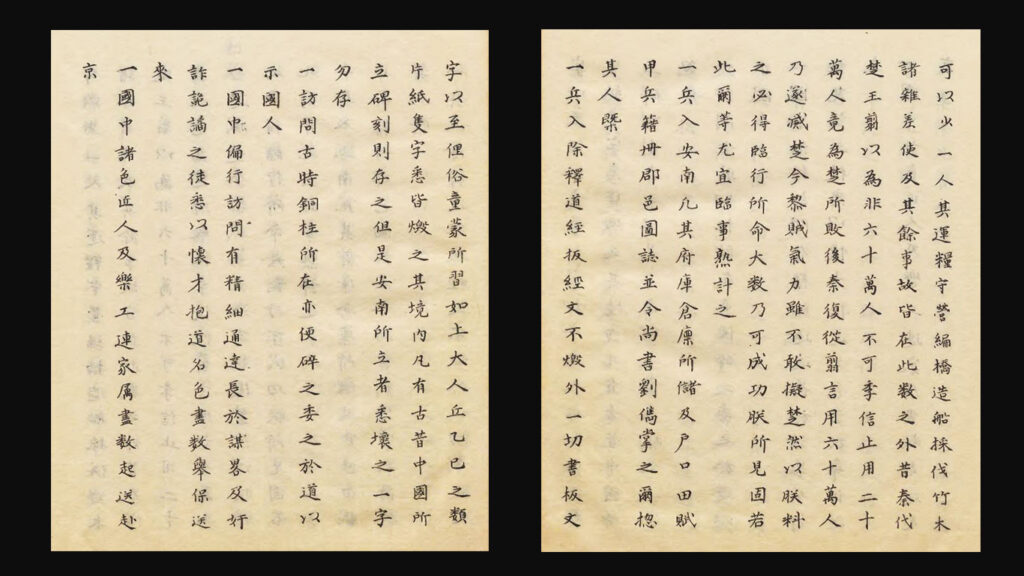
u4e00u5175u5165uff0cu9664u91cbu9053u7d93u677fu7d93u6587u4e0du71ecu5916uff0cu4e00u5207u66f8u677fu6587 [2/26b] u5b57uff0cu4ee5u81f3u4fdau4fd7u7ae5u8499u6240u7fd2uff0cu5982u4e0au5927u4ebauff0cu4e18u4e59u5df1u4e4bu985euff0cu7247u7d19u96bbu5b57uff0cu6089u7686u71ecu4e4buff0cu5176u5883u5185u51e1u6709u53e4u6614u4e2du570bu6240u7acbu7891u523buff0cu5247u5b58u4e4buff0cu4f46u662fu5b89u5357u6240u7acbu8005uff0cu6089u58deu4e4buff0cu4e00u5b57u52ffu5b58u3002
u4e00u8a2au554fu53e4u6642u9285u67f1u6240u5728uff0cu4ea6u4fbfu788eu4e4buff0cu59d4u4e4bu65bcu9053uff0cu4ee5u793au570bu4ebau3002
u4e00u570bu4e2du504fu884cu8a2au554fu6709u7cbeu7d30u901au9054uff0cu9577u65bcu8b00u7565u53cau5978u8a50u8a6du8b4eu4e4bu5f92uff0cu6089u4ee5u61f7u624du62b1u9053u540du8272u76e1u6578u8209u4fddu9001u4f86u3002
[27a] . . .
u4e00u8a55u5b9au4e4bu5f8cuff0cu4ee4u5404u5e9cu5ddeu7e23u539fu4ed5u5b98u540fu8f38u6b21u8d74u4eacu671du898bu3002
When the troops enter An Nam, order Minister Liu Jun to take hold of everything stored in government treasuries, granaries, as well as household registration, land tax, and troop rosters, and records and descriptions of commanderies and towns. That person is magnanimous.
When the soldiers enter An Nam, other than sparing Buddhist and Daoist woodblocks and scriptures from burning, all other woodblocks and writings, even the type of u201cHis Excellency, Qiu 2 6u201d text that ordinary children practice, every piece of paper and word should all be burned. Preserve any inscription in that territory that was erected in the past by the Middle Kingdom, but as for ones erected by An Nam, destroy them all so that not a single word remains.
Inquire where the ancient bronze pillars are and smash them to pieces. Toss the pieces on the road to show the people of the kingdom.
Travel across the kingdom to investigate those who are meticulous and thorough in their understanding, those who excel at strategizing, and those who are cunning and crafty, and recommend all who have the positive characteristics of harboring talent and embracing the [correct] way to be sent here to the capital.
[27a] . . .
After the pacification, order the incumbent officials and clerks from each subprefecture, prefecture, and district to proceed to the capital in succession for a court audience.
There have been many times when I have read or heard people say that the Ming burned books to destroy u201cVietnamese culture.u201d That was not the case. The concept of u201cVietnamese cultureu201d was one that was not in the minds of the Ming emperor or his military officials.
Instead, they targeted a certain type of texts. As we can see, Buddhist and Daoist texts were spared. So, what does that leave us with?
It leaves us with Confucian texts, even Confucian texts for children who were just learning to read and write. The reference to u201cHis Excellency, Qiu 2 6u201d (Shang da ren, Qiu yi ji u4e0au5927u4ebauff0cu4e18u4e59u5df1) is a reference to the opening line of a Confucian childrenu2019s primer. u201cQiuu201d refers to Confucius, and scholars have debated what the u201c2 6u201d indicates, however, what all agree is that it was a very rudimentary text that introduced children to characters and was perhaps the first such text that they ever encountered (and copies of it have been found among the Dunhuang texts).
Why destroy Confucian texts and not Buddhist or Daoist ones? Because as I have pointed out in previous posts, the Confucian tradition was the foundation of Vietnamese states, such as the Lu00fd and the Tru1ea7n and the short-lived Hu1ed3 Dynasty. It gave legitimacy and meaning to those dynasties.
However, from the Chinese perspective, the use of the Confucian tradition in Vietnam exceeded what was acceptable. For instance, while there was only supposed to be one u201cemperoru201d (the Chinese emperor), as we saw in a previous post, scholars who took the civil service exam in 1304 in Vietnam had to compose poetry, infused with Confucian ideas and norms about their own u201cemperor.u201d
THAT is what the Ming wanted destroyed, because THAT is what was dangerous to them. Buddhist monks roaming the forests and Daoist masters praying for rain were not a threat, and u201cVietnamese cultureu201d was not even a concept in anyoneu2019s minds.
Itu2019s what the Vietnamese rulers and elite were using Confucian ideas for that was the u201cproblem.u201d
However, to rid Vietnam of Confucian knowledge, the Ming emperor wanted to do more than destroy books. Instead, he also wanted to remove from Vietnam the people who possessed that knowledge.
The scholars who have argued that the Ming occupation period was a time when Confucian ideas were imported into Vietnam have overlooked one key development of that time period, and that is that the Ming occupation transformed Vietnam from an imperial center into a peripheral province.
Educated Vietnamese under the Ming were expected to serve the Ming empire, like the scholars in all of the other regions of that empire, and this could mean being sent to the capital to study, or appointed to a different location in the empire to serve as an official.
The Documents from the Yue Mountains provide interesting insights into this issue. While at first the Ming emperor ordered that Vietnamese officials who were willing to collaborate to come to the capital and then return to take office, he then opened the door for them to be appointed elsewhere.
For instance, on 12 September 1406 (u6c38u6a02u56dbu5e74u516bu6708u4e00u65e5), the Yongle Emperor sent u201cEighteen Issues Concerning the Attacku201d (Tao shi shiba jian u8a0eu4e8bu5341u516bu4ef6) to Zhu Neng. They included the following:
[2/32b] u4e00u5b89u5357u5b98u540fuff0cu5bdfu5176u6709u53efu4ed8u6258uff0cu7559u5728u5f7cu93aeu5b88u8005uff0cu5148u767cu56dbu4e94u5341u4ebau4f86u671du8207u5b98u8077u8cdeu8cdcuff0cu5373u4ee4u5176u56deuff0cu7136u5f8c [22/33a] u5c07u5176u9918u61c9u8d77u4f86u4e4bu4ebauff0cu76e1u6578u767cu4f86u671du898bu3002
For the officials of An Nam, investigate to see which are trustworthy and leave them where they are to govern. Then first dispatch forty or fifty men to the capital to be granted official positions and rewards. Then have them return. After that, dispatch to the court for an audience all of the remaining men who should be mobilized.
Then on 16 February 1407 (u6c38u6a02u4e94u5e74u6b63u6708u521du4e5du65e5), the Yongle Emperor wrote to his top officials and, among other topics and mentioned the following:
[2/39a] . . . u51e1u5b89u5357u5b98u540fu4f86u6b78u964du8005uff0cu5373u9678u7e8cu9063u4e4bu4f86 [2/39b] u671du807cu6715u9762u8aedu7d66u8207uff0cu5373u4fe1u4ffeu9084u7ba1u4e8buff0cu5982u6216u4e8bu52e2u672au53efuff0cu53c8u5728u96a8u5b9cu8655u7f6euff0cu4e0du53efu57f7u4e00uff0cu6545u52d1u3002
All An Nam officials who come to surrender, send them in succession here to the court to listen to my imperial instructions and to receive gifts. If they are deemed trustworthy, they can return to govern affairs. If the situation is not yet stable, they can be posted wherever is deemed fit. Do not stick to just one course. Thus, I command.
The Yongle Emperor then repeated these orders again and again, without specifying where exactly these men would be appointed to work.
17 March 1407 (u6c38u6a02u4e94u5e74u4e8cu6708u516bu65e5)
[2/42a] u5b89u5357u5883u5185u6709u61f7u624du62b1u5fb7u8ce2u80fdu667au8b00u4e4bu4ebauff0cu53cau6709u4e00u5584u53efu7a31uff0cu4e00u85ddu53efu7528u8005uff0cu5373u5ee3u70bau8a62u8a2auff0cu76e1u6578u4ee5u79aeu6566u8acbu8d77uff0cu9001u8d74u4eacu4ee5u5099u64e2u7528uff0cu6545u52d1u3002
In the territory of An Nam, search far and wide for men who harbor talent and uphold virtue, are able to strategize, and those with a good point that can be praised or a good skill that can be put to use, and kindly recommended them, and then send them to the capital to await assignment. Thus, I command.
26 May 1407 (u6c38u6a02u4e94u5e74u56dbu6708u5341u4e5du65e5)
[2/47a] u4f46u6709u79c0u624du667au8b00u53cau61f7u624du62b1u5fb7u4e4bu58ebuff0cu96a8u5176u591au5be1uff0cu5373u4ee5u6566u9063u5deeu4ebau9001u4eacu4f86u4ee5u5099u64e2u7528uff0cu6545u52d1u3002
All those who have passed the district level exam [xiucai u79c0u624d] and can strategize, as well as scholars who harbor talent and embrace the [correct] way, kindly dispatch someone to deliver them here to the capital to await assignment. Thus, I command.
Apparently by 26 June 1407 (u6c38u6a02u4e94u5e74u4e94u6708u4e8cu5341u4e00u65e5), no such officials had arrived at the court, and the Yongle sent an angry communication to his generals.
In October of 1407, the Yongle Emperor issued a more detailed version of the same order.
29 October 1407 (u6c38u6a02u4e94u5e74u4e5du6708u4e8cu5341u4e5du65e5)
[2/58b] u524du8005uff0cu547du723eu7b49u7528u5fc3u8a2au6c42u4f46u6709u61f7u624du62b1u5fb7uff0cu5c71u6797u96b1u9038uff0cu660eu7d93u80fdu6587uff0cu535au5b78u6709u624duff0cu8ce2u826fu65b9u6b63uff0cu5b5du608cu529bu7530uff0cu8070u660eu6b63u76f4uff0cu5ec9u80fdu5e79u6fdfuff0cu7df4u9054u540fu4e8buff0cu7cbeu901au66f8u7b97uff0cu660eu7fd2u5175u6cd5uff0cu6b66u85ddu667au8b00uff0cu5ba2u8c8cu9b41u5049uff0cu8a9eu8a00u5229u4fbfuff0cu9f4au529bu52c7u6562uff0cu9670u967du8853u6578uff0cu91abu85e5u65b9u8109uff0cu8aa6u7d93u50e7u9053uff0cu53cau633au8eabu81eau62d4u8005uff0cu4ee5u79aeu8d77u9001u8d74u4eacuff0cu4ee5u5099u64e2u7528u3002
u81f3u4ecau672au898bu4e00u4ebau4f86u8005uff0cu592bu671du5ef7u7528u4ebau4f55u9593u9060u8fd1uff0cu6cc1u4ea4u8dbeu5e73u5b9auff0cu6b63u6b32u5f97u4ee5u4efbu5eb6u8077uff0cu4e0du53efu4f7fu6709u907au624du4e5fu3002u52d1u81f3u723eu7b49u66f4u5b9cu5341u5206u7528u5fc3u5ee3u7232u8a2au6c42uff0cu4ee5u79aeu8d77u9001u524du4f86u526fu6715u62f3u62f3u4e4bu61f7uff0cu6545u8aedu3002
Previously, I ordered you to diligently search for those who harbor talent and uphold virtue, those who have retired to the mountains and forests, those who are proficient in the classics and skilled in writing, broadly educated and talented, virtuous and upright, filial to family and dedicated to farming, intelligent and honest, incorruptible and competent, experienced in administrative affairs, proficient in writing and arithmetic, well-versed in military strategies, skilled in martial arts and strategy, distinguished in appearance and stature, articulate, strong and brave, experts yin-yang divination, knowledgeable in medicine and diagnosis, monks and Taoists who recite scriptures, and those who stand out on their own merit, and to send them to the capital with respect, to be potentially promoted and utilized.
Up to now, I have not seen a single person arrive. How can the imperial court discriminate between those near and far when employing men? What is more, now that Giao Chu1ec9/Jiaozhi has been pacified, it is imperative to utilize talents for various posts without leaving any potential untapped. Upon receiving this command, you must diligently and extensively search for such individuals, and send them forth with respect to fulfill my sincere wishes. Thus, I command.
From these comments, it would appear that the Yongle Emperoru2019s orders were not being carried out. However, these statements indicating that officials had not arrived at the Ming capital stop after the above communication. I think that we can assume that men did start to arrive somewhere around this time.
Meanwhile, the u0110u1ea1i Viu1ec7t su1eed ku00fd tou00e0n thu01b0 also contains a record about this issue. It dates from 1407 and states that:
u660eu4ebau4ee5u5c71u6797u9690u9038uff0cud849ude47u624du62b1u5fb7uff0cu8070u660eu6b63u76f4uff0cu633au8eabu81eau62d4uff0cu660eu7d93u80fdu6587uff0cu535au5b78u6709u624duff0cu7df4u9054u540fu4e8buff0cu80fdu66c9u66f8u7b6duff0cu8a00u8a9eu5229u4fbfuff0cu5b5du608cu529bu7530uff0cu76f8u8c8cu9b41u5049uff0cu810au529bu52c7u6562uff0cu6163u7fd2u6d77u9053uff0cu78dau5de7u9999u5320u7b49u79d1uff0cu641cu5c0bu540du4ebau6b63u8eabuff0cu9678u7e8cu9001u91d1u9675uff0cu6388u5b98u56deu4efbu5e9cu5ddeu7e23u3002
u7a0du6709u540du7a31u8005u7686u61c9u4e4buff0cu60dfu88f4u61c9u6597u4ee5u773cu75beu8f9duff0cu4e0bu9f4bu5b78u751fu674eu5b50u69cbu7b49u6578u4ebau9690u4e0du51fau800cu5df2u3002u6642u6709u8afau4e91uff1au300cu6b32u6d3bu5165u9690u6797u5c71uff0cu6b32u6b7bu5433u671du505au5b98u3002u300d [9/6a-b]
Ngu01b0u1eddi Minh lu00f9ng tu00ecm nhu1eefng ngu01b0u1eddi u1ea9n du1eadt u1edf ru1eebng nu00fai, ngu01b0u1eddi cu00f3 tu00e0i cu00f3 u0111u1ee9c, thu00f4ng minh chu00ednh tru1ef1c, giu1ecfi giang xuu1ea5t chu00fang, thu00f4ng kinh giu1ecfi vu0103n, hu1ecdc ru1ed9ng cu00f3 tu00e0i, quen thuu1ed9c viu1ec7c quan, chu1eef u0111u1eb9p tu00ednh giu1ecfi, nu00f3i nu0103ng hou1ea1t bu00e1t, hiu1ebfu u0111u1ec3 lu1ef1c u0111iu1ec1n, tu01b0u1edbng mu1ea1o khu00f4i ngu00f4, khu1ecfe mu1ea1nh du0169ng cu1ea3m, quen nghu1ec1 u0111i biu1ec3n, khu00e9o cu00e1c nghu1ec1 nung gu1ea1ch, lu00e0m hu01b0u01a1ng… lu1ee5c tu1ee5c u0111u01b0a du1ea7n bu1ea3n thu00e2n hu1ecd vu1ec1 Kim Lu0103ng, trao cho quan chu1ee9c, ru1ed3i cho vu1ec1 nu01b0u1edbc lu00e0m quan phu1ee7, chu00e2u, huyu1ec7n. Nhu1eefng ngu01b0u1eddi cu00f3 tiu1ebfng tu0103m mu1ed9t chu00fat u0111u1ec1u hu01b0u1edfng u1ee9ng.
Duy cu00f3 Bu00f9i u1ee8ng u0110u1ea9u tu1eeb chu1ed1i, lu1ea5y cu1edb u0111au mu1eaft, bu1ecdn hu1ea1 trai hu1ecdc sinh Lu00fd Tu1eed Cu1ea5u [Hu1ea1 Trai lu00e0 hiu1ec7u cu1ee7a Lu00fd Tu1eed Cu1ea5u. Xem LQu0110, KVTL 301] mu1ea5y ngu01b0u1eddi lui u1ea9n khu00f4ng chu1ecbu ra mu00e0 thu00f4i. Bu1ea5y giu1edd cu00f3 cu00e2u ngu1ea1n ngu1eef: u201cMuu1ed1n su1ed1ng vu00e0o u1ea9n nu00fai ru1eebng, muu1ed1n chu1ebft lu00e0m quan triu1ec1u Ngu00f4.u201d
The Ming searched for upright and reputable people from the categories of those who retired to the mountains and forests, harbored talent and upheld virtue, were intelligent and honest, stood out on their own merit, were proficient in the classics and skilled in writing, were broadly educated and talented, were experienced in administrative affairs, were conversant in writing and arithmetic, were articulate, were filial to family and dedicated to farming, were distinguished in appearance and stature, were familiar with sea routes, were brick or incense artisans, and successively sent them to Jinling [the Ming capital], to be appointed and return to take office in the prefectures, subprefectures, and districts.
All of those with somewhat of a reputation responded to this call. Only Bu00f9i u1ee8ng u0110u1ea9u, declined, citing an eye ailment. There were only a few others, like the student Lu00fd Tu1eed Cu1ea5u, who chose to remain hidden and did not come forth. There was a saying at the time: u201cIf you want to live, hide away in the forested mountains; if you wish to die, serve as an official for the Ngu00f4 Dynasty.u201d
I will discuss this saying below, but what I will point out first is the comment that u201call of those with somewhat of a reputation respondedu201d to the Ming recruitment call. This information must have been included in the u0110u1ea1i Viu1ec7t su1eed ku00fd tou00e0n thu01b0 when this section was compiled in the mid-fifteenth century, that is, in the years following the Ming occupation. As such, it is likely that whoever wrote this information was aware that many men had actually responded to the call to serve the Ming.
As we will see below, there is a record in the Documents from the Yue Mountains that indicates that thousands of Vietnamese artisans arrived at the Ming capital. However, there do not appear to be records that show large numbers of scholars or scholar-officials submitting to the Ming at the same time or arriving in the capital at the same time. Nonetheless, there is evidence of smaller numbers doing so over time.
For instance, in the Veritable Records of the Ming, there are references to the arrival of both captured and surrendered officials, such as a record from 1408 about the arrival around the month of June at the capital of officials who had surrendered to Zhang Fu (u4ea4u962fu7387u5148u6b78u9644u7e3du5175u5b98u65b0u57ceu4fafu5f35u8f14u627fu5236u6089u6388u4e4bu5b98u9063u9001u81f3u4eacu6545u7279u965eu4e4b).
Some of these men were then indeed granted positions in Vietnam and returned there. One example is a man by the name of Cam Nhuu1eadn Tu1ed5. This is what the Veritable Records of the Ming records about him:
31 October 1407 (u592au5b97uff0fu6c38u6a02u4e94u5e74u5341u6708uff0f1u65e5)
u6c38u6a02u4e94u5e74u51acu5341u6708u8f9bu5df3u6714uff0cu4ee5u4ea4u962fu6240u8209u660eu7d93u58ebu4ebau7518u6f64u7956u7b49u5341u4e00u4ebau70bau8ad2u6c5fu7b49u5e9cu540cu77e5uff0cu8cdcu6555u6170u52c9uff0cu4e0au5fa9u89aau88fdu8a69u8cdcu4e4bu3002
In the winter of the fifth year of the Yongle era, on the new moon of the tenth lunar month on the Xinsi day, eleven scholars conversant in the classics including Cam Nhuu1eadn Tu1ed5, who were recommended by Jiaozhi/Giao Chu1ec9, and who were appointed as vice prefects of Lu01b0u01a1ng Giang and other [prefectures] were granted imperial decrees for encouragement and motivation. Furthermore, the emperor himself composed poems and bestowed them as gifts.
Many years later, in the eighteenth century, scholar-official Lu00ea Quu00fd u0110u00f4n wrote matter-of-factly about Cam Nhuu1eadn Tu1ed5 and other such men who had been recruited that they u201call had political achievements,u201d meaning that they had successful careers serving the Ming (u6210u7956u547du8490u8a2au4ea4u8dbeu6587u4ebauff0cu64e2u77e5u5e9cu7e23uff0cu5982u7518u6f64u7956u7b49uff0cu7686u6709u653fu7e3eu3002) [5/3a].
Then there is the following record about an official who collaborated with the Ming and requested to stay at the Ming capital.
7 April 1411 (u592au5b97uff0fu6c38u6a02u4e5du5e74u4e09u6708uff0f15u65e5)
u965eu4ea4u962fu5ba3u5316u5e9cu571fu5b98u540cu77e5u9ec3u516cu5254u70bau592au6e90u5e9cu77e5u5e9cuff0cu516cu5254u4e0au8a00uff1au4ea4u962fu53bbu4eacu5e2bu9060uff0cu58ebu4ebau4e4bu4ed5u8005uff0cu6052u5ff5u4e0du7372u8eacu7779u671du5ef7u6587u7269u4e4bu76dbuff0cu81e3u4ecau4f86u671du8056u6069u7279u52a0u9077u64e2u4e0du52ddu6176u5e78uff0cu8aa0u9858u52b9u52deu8f26u8f42u4e4bu4e0buff0cu4ee5u5716u88dcu5831uff0cu5f9eu4e4bu547du540fu90e8u79fbu6587u4ea4u962fu5e03u653fu53f8uff0cu7d66u8defu8cbbu5ee9uff0cu7d66u9063u5176u5bb6u5c5eu4f86u5b8cu805au3002
Aboriginal Official and Vice Prefect of Tuyu00ean Hu00f3a Prefecture in Jiaozhi/Giao Chu1ec9 Hou00e0ng Cu00f4ng Du1ecbch was promoted to Prefect of Thu00e1i Nguyu00ean Prefecture. Cu00f4ng Du1ecbch submitted a statement saying u201cJiaozhi/Giao Chu1ec9 is far from the capital, and the scholars who serve there yearn without fulfillment, to personally witness the grandeur of the court and its cultural treasures. Your servant, having now come to court, is overwhelmed with joy at the divine benevolence of being specially promoted. I sincerely wish to exert myself in service beneath the imperial carriage to attempt to repay this kindness.u201d
Following this, the [the emperor] ordered the Ministry of Personnel to transmit documents to the Jiaozhi/Giao Chu1ec9 Provincial Administration Commission to provide travel expenses and an allowance, and to dispatch his family to come so that they can all be together.
The term u201caboriginal officialu201d (thu1ed5 quan u571fu5b98) here does not mean that the person was a member of what we would today label an u201cethnic minority group.u201d This was just the way that the Ming referred to people from An Nam.
Meanwhile, the expression here that I have translated as u201cimperial carriageu201d (liu1ec5n cu1ed1c u8f26u8f42) can refer to either the capital or the emperor. In this case, it essentially referred to both, as Hou00e0ng Cu00f4ng Du1ecbch requested to stay at the Ming capital and serve the Yongle Emperor.
There must have been others who did this as well, or who were assigned by the Ming to work in China, because Lu00ea Quu00fd u0110u00f4n recorded information about the descendants of such men.
u8fd1u4ee3u660eu666fu6cf0u7532u620cu79d1u9032u58ebu9eceu5eb8uff0cu672cu570bu9752u5a01u4ebauff1bu962eu52e4uff0cu8f14u7ffcu4ebau3002u5929u9806u5e9au8fb0u79d1u9032u58ebu962eu6587u82f1uff0cu6148u5c71u4ebauff1bu4f55u5ee3uff0cu6276u5be7u4ebau3002u6210u5316u5df1u4e11u79d1u9032u58ebu738bu4eacuff0cu5609u9756u7678u672au79d1u9032u58ebu9673u5112uff0cu4e26u672cu570bu4ebau3002u962eu52e4u4ed5u81f3u5de5u90e8u53f3u4f8du90ceuff0cu9673u5112u4ed5u81f3u53f3u90fdu5fa1u53f2uff0cu6587u5112u540du8ff9uff0cu5f70u7136u53efu8003u3002
u84cbu80e1u5b63u729bu672buff0cu5f35u8f14u7b49u641cu7d22u58ebu4ebauff0cu6089u9001u91d1u9675uff0cu6d41u5bd3u5317u65b9uff0cu96a8u5728u9644u7c4duff0cu81f3u5176u5152u5b6buff0cu9042u4ee5u6587u5b78u9032u8eabu3002u4ecau898bu8f09u65bcu300au5805u74e0u96c6u300buff0cu6709u61c9u5c71u694au5fe0u70c8u516cu6f23uff0cu5176u56dbu4e94u4e16u7956uff0cu6211u5357u570bu4ebauff0cu96a8u5927u8ecdu5317u884cuff0cu7559uff08u6ce8uff09uff3bu4f4fuff3du61c9u57ceu3002u5176u5f8cu751fu516cuff0cu767bu4ed5u7d2fu5b98u5de6u526fu90fdu5fa1u53f2uff0cu4ecau820au5b85u7336u5b58uff0cu5b50u5b6bu5c45u4e4bu3002u5357u4f7fu6bcfu904eu61c9u5c71uff0cu5e38u9080u5165u6b3eu5f85uff0cu84cbu6709u61f7u820au601du672cu4e4bu610fu3002
u5eb7u7199u620au620cuff0cu5175u90e8u53f3u4f8du90ceu962eu516cu6c86u5317u4f7fu904eu6b64uff0cu694au516cu5b6bu5fa9u9080u5165uff0cu6b77u6558u4e16u5bb6uff0cu4e14u8a00u4ea6u6709u5225u59d3u540cu6642u81eau5b89u5357u4f86uff0cu4ecau6240u5c45u96e2u57ceu4e09u5341u91ccuff0cu8863u98dfu9817u8db3uff0cu5b50u5b6bu4ea6u773eu591auff0cu7336u5f80u4f86u70bau901au5bb6u4e91u3002
In recent times, in the exam in the Jiaxu year (1454) of the Ming Dynastyu2019s Jingtai era, presented scholar [tiu1ebfn su0129 u9032u58eb] Lu00ea Dung was from Thanh Oai in this kingdom and Nguyu1ec5n Cu1ea7n was from Phu1ee5 Du1ef1c. In the exam in the Gengchen year (1460) of the Tianshun era, presented scholar Nguyu1ec5n Vu0103n Anh was from Tu1eeb Su01a1n and Hu00e0 Quu1ea3ng was from Phu00f9 Ninh. In the exam in the Jiachou year (1469) of the Chenghua era, presented scholar Vu01b0u01a1ng Kinh, and in the exam in the Guiwei year (1523) of the Jiajing era, presented scholar Tru1ea7n Nho were both from this kingdom. Nguyu1ec5n Cu1ea7n served up to the position of Right Vice Minister of the Ministry of Works, and Tru1ea7n Nho served up to the Right Censor-in-chief. Their literary and scholarly fame and records are clear and verifiable.
It seems that at the end of the Hu1ed3 Quu00fd Ly period, Zhang Fu and others searched for scholars and sent them all to Nanjing; they wandered to the north, took local residence there, and their children and grandchildren then made names for themselves by their scholarship.
Now, as can be seen in the Hard Gourd Collection (Jianhu ji u5805u74e0u96c6) there is the example of Du01b0u01a1ng Liu00ean [Yang Lian u694au6f23], master Trung Liu1ec7t, from Yingshan [Hubei], whose ancestors from four or five generations ago were people from our Southern kingdom, and who followed the great army north and stayed in Ying City. He was born later, and rose through the ranks, becoming the Left Deputy Censor-in-chief. At present, their old residence still exists, and is inhabited by his descendants. Whenever Southern envoys pass through Yingshan, they are often invited to visit and are treated hospitably. This is probably because they have a sense of nostalgia and think of their origins.
In the Wuxu year (1718) of [Emperor] Kangxiu2019s [reign], Right Vice Minister of the Ministry of War Nguyu1ec5n Cu00f4ng Hu00e3ng passed this place while on a diplomatic mission to the North. Master Du01b0u01a1ngu2019s grandson again invited him to visit, and recounted the family history. He and mentioned that there were also others with a different surname who came from Annam at the same time, and who now lived thirty leagues from the city, with sufficient clothing and food, and many descendants, who still kept in contact and maintain friendly relations between the two families.
In addition to scholar-officials, there were also eunuchs who served the Ming (or boys who became eunuchs. . . and then served the Ming).
There is a section in the History of the Ming that is devoted to these men. This is what it says.
u8303u5f18u3001u4ea4u962fu4ebauff0cu521du540du5b89u3002u6c38u6a02u4e2duff0cu82f1u570bu516cu5f35u8f14u4ee5u4ea4u7ae5u4e4bu7f8eu79c0u8005u9084uff0cu9078u70bau5944 [= u95b9]uff0cu5f18u53cau738bu747eu3001u962eu5b89u3001u962eu6d6au7b49u8207u7109u3002u5360u5c0du5afbu96c5uff0cu6210u7956u611bu4e4buff0cu6559u4ee4u8b80u66f8uff0cu6d89u7d93u53f2uff0cu5584u7b46u672duff0cu4f8du4ec1u5b97u6771u5baeu3002u5ba3u5fb7u521duff0cu70bau66f4u540duff0cu7d2fu9077u53f8u79aeu592au76e3uff0cu5055u82f1u53d7u514du6b7bu8a54uff0cu53c8u5055u82f1u53cau5fa1u7528u592au76e3u738bu747eu540cu8cdcu9280u8a18u3002u6b63u7d71u6642uff0cu82f1u5b97u7737u5f18uff0cu5617u76eeu4e4bu66f0u84ecu840au5409u58ebu3002u5341u56dbu5e74u5f9eu5f81uff0cu6b7fu65bcu571fu6728uff0cu55aau6b78uff0cu846cu9999u5c71u6c38u5b89u5bfauff0cu5f18u5efau4e5fu3002u800cu738bu747eu81f3u666fu6cf0u6642u59cbu5352u3002
Phu1ea1m Hou1eb1ng was from Jiaozhi/Giao Chu1ec9 and was originally named An. During the Yongle era (1403-1425), Duke of Yingguo Zhang Fu returned with attractive and outstanding Jiao/Giao boys, whom he had chosen as eunuchs. Hou1eb1ng and Wang Jin, Nguyu1ec5n An, and Nguyu1ec5n Lu00e3ng were among them. His refined and elegant manner of responding won the affection of Emperor Chengzu [the Yongle Emperor], who ordered him to read and become familiar with the classics and history. He became adept at writing official documents and served in the Eastern Palace under Emperor Renzong.
At the beginning of the Xuande era (1426-1436), his name was changed and he was promoted successively, eventually becoming the Superintendent Eunuch of the Imperial Ceremonies. Together with [another eunuch named] Ying, he received an imperial decree exempting him from death, and they, along with the Imperial Eunuch Wang Jin, were all awarded silver tokens.
During the Zhengtong era (1436-1450), Emperor Yingzong was fond of Hou1eb1ng and once looked at him and called him the u201cfortunate gentleman from Penglai.u201d In the fourteenth year [of Emperor Yingzongu2019s reign], he followed the emperor on a military campaign and died at Tumu. His remains were returned and buried at the Yong’an Temple on Fragrant Hills, which Hou1eb1ng had built. As for Wang Jin, he lived until the Jingtai era (1450-1457) and then passed away.
u747euff0cu521du540du9673u856au3002u5ba3u5b97u70bau7687u592au5b6bu6642uff0cu671du5915u7d66u4e8bu3002u53cau5373u4f4duff0cu8cdcu59d3u540du3002u5f9eu5f81u6f22u738bu9ad8u7166u9084uff0cu53c3u9810u56dbu65b9u5175u4e8buff0cu8cdeu8cdau7d2fu5de8u842cuff0cu6578u8cdcu9280u8a18u66f0u300cu5fe0u809du7fa9u81bdu300duff0cu66f0u300cu91d1u8c82u8cb4u5ba2u300duff0cu66f0u300cu5fe0u8aa0u81eau52f5u300duff0cu66f0u300cu5fc3u8de1u96d9u6e05u300du3002u53c8u8cdcu4ee5u5169u5baeu4ebauff0cu5b98u5176u990au5b50u738bu693fu3002u5176u53d7u5bf5u7737uff0cu82f1u3001u5f18u83abu902eu4e5fu3002
Jin, was originally named Tru1ea7n Vu0169. When Xuanzong was still the crown prince, [Tru1ea7n Vu0169] served him day and night. After ascending the throne, [Xuanzong] granted him a surname and given name. After returning from a military campaign against Prince of Han [Zhu] Gaoxu, he was involved in military affairs on all fronts and was awarded a massive fortune. He was repeatedly given silver tokens with inscriptions that said u201cloyal to the liver and righteous to the gall,u201d u201cgolden aide and respected guest,u201d u201cself-motivated by loyalty and sincerity,u201d and u201ca heart and footsteps that are both pure.u201d Additionally, he was granted two palace maids and officially took on an adopted son, Wang Chun. His favor and closeness to the emperor were unmatched by either [Jin] Ying [another eunuch mentioned earlier in the text] or Hou1eb1ng.
u962eu5b89u6709u5de7u601duff0cu5949u6210u7956u547du71dfu5317u4eacu57ceu6c60u5baeu6bbfu53cau767eu53f8u5e9cu5ee8uff0cu76eeu91cfu610fu71dfuff0cu6089u4e2du898fu5236uff0cu5de5u90e8u5949u884cu800cu5df2u3002u6b63u7d71u6642uff0cu91cdu5efau4e09u6bbfuff0cu6cbbu694au6751u6cb3uff0cu4e26u6709u529fu3002u666fu6cf0u4e2duff0cu6cbbu5f35u79cbu6cb3uff0cu9053u5352uff0cu56cau7121u5341u91d1u3002
Nguyu1ec5n An was ingenious and was ordered by [Emperor] Chengzu to manage the construction of the city walls, moats, palaces, and the buildings of various government departments in Beijing. He planned and executed the work with precision according to the established standards, and the Ministry of Works carried out his plans. During the Zhengtong era, he had accomplishments in reconstructing the Three Palaces and managing of the Yangcun River. In the Jingtai period, while managing the Zhangqiu River, he died on the road, and it was found that he did not have even ten gold pieces in his possession.
u962eu6d6au81f3u666fu5e1du6642uff0cu70bau5fa1u7528u76e3u5c11u76e3u3002u82f1u5b97u5c45u5357u5baeuff0cu6d6au5165u4f8duff0cu8cdcu934du91d1u7e61u888bu53cau934du91d1u5200u3002u6d6au4ee5u8d08u9580u4e0bu7687u57ceu4f7fu738bu7464u3002u9326u8863u885eu6307u63eeu76e7u5fe0u8005uff0cu96aau4ebau4e5fuff0cu898bu7464u888bu5200u7570u5e38u88fduff0cu9189u7464u800cu7acau4e4buff0cu4ee5u544au5c1au8863u76e3u9ad8u5e73u3002u5e73u4ee4u6821u5c09u674eu5584u4e0au8b8auff0cu8a00u6d6au50b3u4e0au7687u547duff0cu4ee5u888bu5200u7d50u7464u8b00u5fa9u4f4du3002u666fu5e1du4e0bu6d6au3001u7464u8a54u7344uff0cu5fe0u8b49u4e4buff0cu6d6au3001u7464u7686u78d4u6b7buff0cu8a5eu7d42u4e0du53cau4e0au7687u3002u82f1u5b97u5fa9u8f9fuff0cu78d4u5fe0u53cau5e73uff0cu800cu8d08u6d6au592au76e3u3002
During the reign of Jingdi (1449-1457), Nguyu1ec5n Lu00e3ng served as the Vice Director of the Directorate for Imperial Accouterments. When Emperor Yingzong resided in the Southern Palace, Lu00e3ng attended him and was bestowed with a gold-plated embroidered pouch and a gold-plated knife, which Lu00e3ng in turn gifted to Wang Yao, the Headquarters Clerk of the Imperial City.
Lu Zhong, Commander of the Imperial Bodyguard and a man of dubious character, noticed that Yao’s pouch and knife were of extraordinary make. He got Yao drunk, stole the items, and then informed Gao Ping of the Directorate for the Imperial Wardrobe. Ping ordered the Provost Marshal Li Shan to report to the court a plot by stating that Lu00e3ng was transmitting orders from the honorary emperor (Shanghuang u4e0au7687) to Yao, using the pouch and knife [as tokens] to conspire to restore the retired emperor.
Jingdi had Lu00e3ng and Yao thrown into prison and [Lu] Zhong provided testimony. Lu00e3ng and Yao were both executed by dismemberment, though their words never reached the honorary emperor. When Emperor Yingzong returned to power, he had Lu Zhong and Gao Ping executed by dismemberment, and [posthumously] granted Lu00e3ng with the title of Palace Eunuch.
Oh my! I think a great movie could be made about Vietnamese eunuchs at the Ming court!!
I donu2019t have time to go into details here, but the above information demonstrates that these men took part in some significant events, from assisting with the construction of the imperial city in Beijing to taking part in military campaigns.
While Phu1ea1m Hou1eb1ng, Tru1ea7n Vu0169, and Nguyu1ec5n An all enjoyed successful careers, Nguyu1ec5n Lu00e3ngu2019s career did not end well. That leads us to another issue.
The u0110u1ea1i Viu1ec7t su1eed ku00fd tou00e0n thu01b0 said that at the time the Ming were recruiting scholars in Vietnam in 1407 there was a saying that went u201cIf you want to live, hide away in the forested mountains; if you wish to die, serve as an official for the Ngu00f4 Dynasty.u201d
I doubt that this saying dates from 1407. First, the term, u201cNgu00f4,u201d a derogatory name for the Chinese, does not seem to have come into use until Lu00ea Lu1ee3i began fighting the Ming several years later.
Second, the passage where this saying appears, states that u201call of those with somewhat of a reputation respondedu201d to the Ming recruitment call. So, it doesnu2019t make sense that this saying was in circulation at that time.
My guess is that this is a saying that appeared later, when Lu00ea Lu1ee3i was fighting the Ming, and the reason why people would die if they served the Ming was because Lu00ea Lu1ee3i and his followers would kill them for doing so.
And yes, that of course happened. And there were undoubtedly scholars on Lu00ea Lu1ee3iu2019s side who were killed by the Ming and their Vietnamese collaborators. And there were undoubtedly Vietnamese scholars who were killed by Ming soldiers when they first invaded.
In other words, in addition to the (probably many) scholars who relocated to China in these years, there were also many who died in Vietnam.
Finally, there were still others who went to China at the end of the conflict, such as a certain Tru1ea7n u0110inh u9673u6c40. Tru1ea7n u0110inh served the Ming but was then captured by Lu00ea Lu1ee3iu2019s forces and was ordered to serve as a border guard. Instead of doing so, Tru1ea7n u0110inh attempted to take 90 members of his family across the border, but they were caught, and only Tru1ea7n u0110inh managed to cross the border to Guangxi and was then sent to the Ming capital.
There, the Ming emperor reportedly made the following comments:
24 Sep 1428 (u5ba3u5b97uff0fu5ba3u5fb7u4e09u5e74u516bu6708uff0f16u65e5)
u4e0au8b02u5c1au66f8u5f35u672cu66f0uff0cu5176u4ebau4e45u5728u884cu4f0du6548u52deu529buff0cu53c8u80fdu820du8ccau6b78u671duff0cu8aa0u6083u53efu5609uff0cu5b9cu6709u8d85u64e2u5176u4ee5u70bau6307u63eeu50c9u4e8bu65bcu9326u8863u885bu652fu4ff8uff0cu4ee4u79aeu90e8u4f9du4ea4u962fu571fu5b98u5c45u4eacu5e2bu4f8bu3002
The emperor said to Minister Zhang Ben, u201cThis man has long served diligently in the army, and was also able to abandon the rebels and return to the court. Such sincerity is commendable. It is appropriate that he be promoted multiple grades to Assistant Commander of the Imperial Bodyguard and provided with a salary. Order the Ministry of Rites follow the precedent for Jiaozhi/Giao Chu1ec9 aboriginal officials residing in the capital.u201d
From this account, we can see that there was some kind of policy in place for allowing officials from Vietnam to reside in the Ming capital. I have not found any information about how many such people there were, however, when one considers all of the above information, it appears that the number may have been significant.
Meanwhile, another group of Vietnamese who resided in the Ming capital consisted of students. The Ming set up schools and selected the best students from those schools to go to the capital for further study. These young men were known as u201ctribute studentsu201d (cu1ed1ng sinh u8ca2u751f), and the Veritable Records of the Ming contains a couple of entries about them.
18 March 1417 (u6c38u6a02u5341u4e94u5e74u4e09u6708u4e00u65e5)
u4ea4u962fu5317u6c5fu7b49u5e9cu5ddeu7e23uff0cu9078u8ca2u751fu54e1u9127u5f97u7b49u81f3u4eacuff0cu547du9001u570bu5b50u76e3u9032u5b78uff0cu8cdcu8cebu5982u96f2u5357u751fu4f8buff0cu521du4e0au65e2u5e73u4ea4u962fuff0cu5373u547du90e1u7e23u5efau5b78uff0cu6559u990au751fu5f92uff0cu81f3u662fu59cbu9078u8ca2u7109u3002
u0110u1eb7ng u0110u1eafc and others who were selected by Bu1eafc Giang and other prefectures, subprefectures, and districts in Giao Chu1ec9/Jiaozhi arrived at the capital. They were ordered to enter the Imperial Academy for study and were granted stipends as per the practices for students from Yunnan. At first, after Giao Chu1ec9/Jiaozhi had been pacified, schools were ordered to be built in the commanderies and district to educate students. Now at this point, the first tribute students were selected.
2 August 1425 (u6d2au7199u5143u5e74u4e03u6708u4e0buff0f19u65e5)
u4ea4u962fu5404u5e9cu5ddeu7e23u5112u5b78u9078u8ca2u751fu54e1u738bu61b2u7b49u516bu5341u4e8cu4ebau81f3u4eacu5e2bu3002u4e0au8aedu884cu5728u79aeu90e8u5c1au66f8u5442u9707u7b49u66f0uff0cu4ea4u962fu8dddu4eacu5e2bu842cu91ccuff0cu9060u96e2u89aau621au800cu4f86uff0cu9808u662fu6559u990au5f97u5b9cuff0cu5f7cu65b9u6a02u5b78u53efu671bu5176u6210u6750uff0cu723eu8207u5b78u5b98u5b9cu77e5u6715u6b64u610fuff0cu5176u8863u670du6b72u8cdcu4e00u5982u96f2u5357u4e4bu4f8bu3002
Vu01b0u01a1ng Hiu1ebfn and 82 others who were selected by the Confucian schools [Nho hu1ecdc u5112u5b78] in each prefecture, subprefecture, and district in Giao Chu1ec9/Jiaozhi arrived at the capital.
The emperor issued an edict to the serving Minister of the Ministry of Rites, Lu00fc Zhen, and others, saying, u201cJiaozhi is ten thousand miles away from the capital. Those who come from such a distance, leaving their relatives behind, must have been well-educated. Seeing that people from that region are enthusiastic about learning, we can look forward to their development. You and the educational officials should be aware of my intentions regarding this. Their clothing and annual allowances should be granted according to the precedent for Yunnan.u201d
In other words, while the Ming did set up some schools, it would be difficult to make the case that this led to an increase in Confucian knowledge because the best students from those schools were sent away to the Ming capital.
Further, it is hard to know what they studied as it looks like many books were indeed destroyed.
On 26 June 1407, the same day that the Yongle Emperor first complained that none of the people he had ordered to the capital had arrived yet, he expressed a similar frustration about the burning of books.
This is what he wrote:
u5c62u5617u8ad6u723euff0cu51e1u5b89u5357u6240u6709u4e00u5207u66f8u677fu6587u5b57uff0cu4ee5u81f3u4fdau4fd7u7ae5u8499u6240u7fd2uff0cu5982u4e0au5927u4ebauff0cu4e18u4e59u5df1u4e4bu985euff0cu7247u7d19u96bbu5b57uff0cu53cau5f7cu8655u81eau7acbu7891u523buff0cu898bu8005u5373u6bc0u58deuff0cu52ffu5b58u3002u4ecau805eu8ecdu4e2du6240u5f97u6587u5b57uff0cu4e0du5373u4ee4u8ecdu4ebau711au6bc0uff0cu5fc5u6aa2u8996u7136u5f8cu711au4e4buff0cu4e14u8ecdu4ebau591au4e0du8b58u5b57uff0cu82e5u4e00u4e00u4ee4u5176u5982u6b64uff0cu5fc5u81f4u50b3u905eu907au5931u8005u591au3002u723eu4ecau4e00u5982u524du52d1uff0cu865fu4ee4u8ecdu4e2duff0cu4f46u904eu5f7cu8655u6240u6709u4e00u61c9u6587u5b57uff0cu5373u4fbfu711au6bc0uff0cu6bcbu5f97u5b58u7559u3002 [2/51b]
I have mentioned numerous times that every book and piece of writing in An Nam, even the type of u201cHis Excellency, Qiu 2 6u201d text that ordinary children practice, every piece of paper and word, as well as the stone inscriptions in that area that they have erected themselves, when found, should be immediately destroyed, and nothing should be preserved.
Now I hear that the texts obtained by the army are not immediately burned by the soldiers. Instead, they are inspected first before being burned. Many soldiers are illiterate. If each of them is tasked with this, many texts will inevitably fall through the cracks. Proceed following the previous command. Order the army to immediately burn any texts they come across in that region. Do not preserve anything.
Ultimately, we do not know what was destroyed, but we can assume that the Ming officers and their troops followed the emperoru2019s orders.
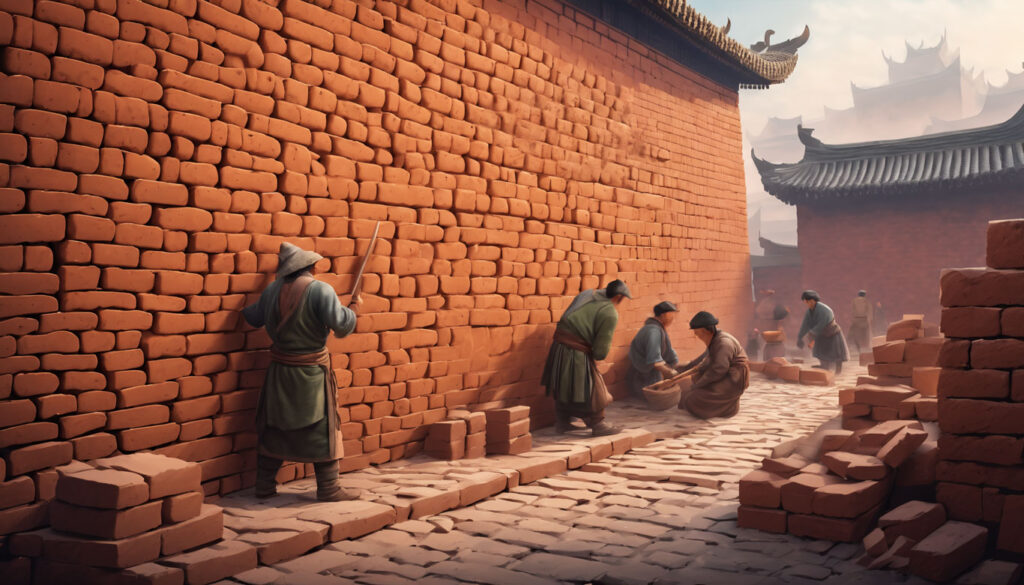
Finally, there was yet one more group that we know left Vietnam, and that group did so in large numbers: artisans and people with other forms of skilled knowledge.
In the first year of the invasion, Emperor Yongle issued repeated orders to his officers in Vietnam to recruits artisans and other people with skilled knowledge and to send them to the capital. This information is recorded in the Documents from the Yue Mountains.
12 September 1406 (u6c38u6a02u56dbu5e74u516bu6708u4e00u65e5)
u4e00u5e73u5b9au5b89u5357u4e4bu5f8cuff0cu4f46u6709u5404u8272u5b98u540fu50e7u9053uff0cu91abu5debu535c [2/32a] u7b6euff0cu9670u967du8853u6578u4e4bu4ebauff0cu76e1u9063u767cu4f86u671duff0cu6b64u6700u7dcau8981u3002
u4e00u8af8u8272u6280u85ddu4e4bu4ebau5320uff0cu76e1u6578u641cu7d20u9023u5bb6u5c0fu6578u76e1u8d77u8d74u4f86u4eacu3002 [2/31b]
After pacifying An Nam, all types of officials, monks, Daoist masters, healers, diviners, and specialists in yin-yang prophesies, must all be sent here to the capital. This is of the utmost importance.
The artisans of various skills must all be searched for, and, together with their wives and children, recommended to proceed here to the capital.
16 February 1407 (u6c38u6a02u4e94u5e74u6b63u6708u521du4e5du65e5)
u4e00u505au9999u5320u78dau5320uff0cu4e0du554fu9ad8u624bu4f4eu624buff0cu76e1u6578u9023u5bb6u5c0fu5148u767cu8d74u4eacu3002u5176u9918u4e00u61c9u6280u85ddu4ebau5320uff0cu9678u7e8cu9023u5bb6u5c0fuff0cu5148u767cu5c07u4f86u3002 [2/39b-40a]
Incense makers and brick builders, regardless of their level of expertise, send them first, together with their wives and children, to the capital. As for the remaining skilled artisans, send them here in succession with their wives and children.
24 June 1407 (u6c38u6a02u4e94u5e74u4e94u6708u5341u4e5du65e5)
[2/51b] u4e00u4ea4u8dbeu4f46u6709u91abu5debu535cu7b6euff0cu6a02u5de5u884cu9662uff0cu53cau9999u5320u750eu5320uff0cu8af8u8272u5de5u5320u6280u85ddu4ebau7b49uff0cu76e1u6578u9023u5bb6u5c0fu8d74u4eacuff0cu6709u8eabu6750u9577u5927u8005uff0cu80fdu4f7fu92b3u8005uff0cu80fdu4feeu5408u92b3u846fu8005uff0cu5584u99d5u8239uff0cu8af3u66c9u6d77u9053u8005uff0cu53cau8af8u8272u6355u6237uff0cu9023u5bb6u5c0fu9001u4f86u3002
All healers, diviners, musicians, actors, incense makers, brick workers, and the various types of skilled artisans from Jiaozhi/Giao Chu1ec9, together with their wives and children, must proceed to the capital. Those who are tall and have a good physique, those who can wield weapons, those skilled in preparing sharp weapons, those proficient in sailing, those familiar with sea routes, as well as various types of hunters, should be sent here together with their wives and children.
After issuing several orders, the Yongle Emperor eventually was informed that a healer was on his way. The emperor then communicated the following information to Zhang Fu:
26 June 1407 (u6c38u6a02u4e94u5e74u4e94u6708u4e8cu5341u4e00u65e5)
[2/50b] u4ea4u962fu91abu8005uff0cu9112u6d1eu7384uff0cu4e26u5176u5f9euff0cu5373u7686u4ee5u79aeu9063u9001u8d74u4eacuff0cu6cbfu9014u7d66u8207u53e3u7ce7u811au529buff0cu4ecdu767cu843du4f34u9001u4ebauff0cu9014u4e2du7528u5fc3u6eabu5b58u5176u4f86uff0cu6bcbu9055u52d1u3002
For the healer from Giao Chu1ec9/Jiaozhi, Tru00e2u u0110u1ed9ng Huyu1ec1n, and those accompanying him, they should all be respectfully sent to the capital. Along the way, provide them with food and travel expenses, and also assign accompanying personnel. During the journey, take good care of them and ensure they arrive safely. Do not violate this command.
This gentlemanu2019s name, Tru00e2u u0110u1ed9ng Huyu1ec1n u9112u6d1eu7384, has a definite Daoist feel to it, as his given name means something like u201cgrotto darknessu201d and both of those words are common in Daoist terms and names.
While the Yongle Emperor was undoubtedly pleased that this man was heading to the capital, on this same day he sent an order to his officials in Vietnam in which he indicated his frustration that the other types of people he had ordered to the capital had not yet arrived, and he did so again in October of 1407.
However, that same month, the Veritable Records of the Ming records that 7,700 artisans arrived at the capital (u7678u9149u4ea4u962fu7e3du5175u5b98u65b0u57ceu4fafu5f35u8f14uff0cu9063u9001u4ea4u962fu8af8u8272u5de5u5320uff0cu4e03u5343u4e03u767eu4ebau81f3u4eac).
I have only made an initial attempt to look for evidence of other workers arriving at the capital, but I found that in 1413, more than 130 artisans arrived with their wives and children, and that they were provided with food, lodging, and medical attention for those who were ailing (u4e59u5df3u4ea4u962fu5de5u5320u767eu4e09u5341u9918u4ebau4ee5u59bbu5b50u81f3u4eacuff0cu547du6240u53f8u7d66u9214u7c73u8863u670du5c45u5ba4u75c5u8207u91abu85e5).
Again, the Veritable Records of the Ming only contains selected information. Therefore, it is likely that many more artisans were sent to the Ming capital, before then being sent off to places like Beijing to work on the construction of the imperial city.
When you take all of this together, I think that it is extremely difficult to argue that the Ming occupation period was a u201cwatershedu201d moment that saw the introduction into Vietnam of Confucian ideas and knowledge about bureaucratic government.
To the contrary, I think we have much stronger evidence to make the opposite argument, namely, that this was a time of a u201cConfucian brain drain.u201d
Even more than that, however, it was a u201cbrain drainu201d of all of the knowledge necessary for an imperial center, from the knowledge of Confucian scholars to the knowledge of artisans.
Nonetheless, a kingdom did emerge after this period that was clearly Confucian and that had all of the elements of an imperial center rather than of a provincial periphery. Its emperor and officials wore robes like those of their Ming counterparts. They carried out rituals at the Ancestral Temple and the Altar of Soil and Grain, they tested scholars on their knowledge of the Confucian classics, etc.
The Ming clearly did not introduce that into Vietnam. . . Just the opposite. It is clear that they wanted to remove from Vietnam any knowledge or expertise that could lead to the establishment of a separate Confucian state.
So where did that knowledge come from?
Maybe Hu1ed3 Quu00fd Lyu2019s capital in Thanh Hu00f3a with its Ancestral Temple and Altar of Soil and Grain and Confucian exams had something to do with that. . . ?
Or the same institutions and practices in the capitals of the earlier Lu00fd and Tru1ea7n dynasties?
Such connections are not apparent if one reads the extant historical scholarship in English, but they are completely obvious if one reads the historical sources.


Who does the term Ngô refer to here? Not the Ming i suppose, considering that the Ngô in Đại cáo bình Ngô most certainly did not refer to the Ming. Yet, within context of the passage from Đại Việt sử ký toàn thư, Ngô dynasty can only be understood as the Ming.
Something feels a bit contradictory here… Who were the Ngô?
Nevermind, i didn’t finish the article before commenting.
Hi Prof. Kelly. Along with the related blogposts in the past, your recent posts are very informative and much appreciated, especially to me. However, I still feel that more evidences from other sources are necessary to make a stronger case. I mean, I could imagine some counter-arguments (that I don’t actually subscribe to) against DVSKTT, such as the official publishing year of that document was too far away from the events, or it had been written in a heavily Confucian historical period and by heavily Confucian scholars. Also, some may even argue those at-least-badly-sourced narratives about the Ly-Tran-Ho period are not just highlighted by Western authors but also bolstered by modern Vietnamese historians (let alone some premodern literari could have already written about the “moral and religious depravity” of some Ly-Tran kings as indeed they had haven some inclinations to Buddhism and Taoism). On the other hand, I don’t think a well-read modern Vietnamese can deny the “feeling” of “not-so-much Confucianism” from the earliest dynasties. And I’m genuinely not sure what one should attribute that feeling to: historical propaganda? or even folk culture?
I don’t quite understand what feeling it is that you are implying at by saying “I don’t think a well-read modern Vietnamese can deny the “feeling” of “not-so-much Confucianism”, considering that most thing we know about the Lý and Trần were drawn directly from DVSKTT. If the Lý and Trần were indeed not Confucian, then did the author of DVSKTT deliberately write about the Lý and Trần in a way that present them in a “no-so-influenced-by-Confucianism” ? Why exactly would they do so?
Thank you for your comment, and sorry for the slow reponse.
I am going to try to write some blog posts to address the issues you mention here, because there are various things that contribute to the way people think today.
Here is the gist, but again, I’ll try to explain more later.
1) The information in the Dai Viet su ky toan thu is not “equal.” It was compiled during the Le, and sources were available for that period, but sources for earlier periods were more limited. Also, Ngo Si Lien criticized things in the Ly and Tran, but not the Le. Was this because everything was ok during the Le? No. It’s because he worked for the Le. So this created the sense that the Ly and Tran was different from the Le, but a lot of that sense comes from the difference in the sources and the fact that Ngo Si Lien did not criticize his own dynasty.
2) Premodern scholars like Phan Huy Chu generally felt that if there was no information about something in the DVSKTT, that maybe/problably it didn’t exist. So, this also created the sense that there was a development of Confucianism over time, however, again, the sources change over time. The one period in the DVSKTT when there were sources available (and the capital was not burned by the Cham or some rebel or the Chinese) was during the first century of Le rule. So, yes, that looks like a “Confucian golden age,” but it’s really just a “historical sources were available golden age.”
3) The Western scholars who started to work on Vietnamese history starting in the 1960s did so from the perspective of “Southeast Asia” and they tried to counter colonial-era scholarship by showing that Vietnam had not been “influenced” by the outside, meaning China. If you read the things I’ve been posting about though, it should be clear that there were major problems with that scholarship. However, it gives the sense that the Ly and Tran were “Buddhist” and that there was no significant Confucianism until the Le.
4) Vietnamese scholars have also had an interest in arguing that Vietnam was not influenced by China. So you have the same arguments in the writings of Vietnamese historians, albeit for different reasons.
5) Because of #3 and #4, historians have not looked at the Ly Dynasty from the perspective of East Asia. Yes, there was royal patronage of Buddhism during the Ly and Tran. If you don’t know about the rest of East Asia, then you might think, “Oh, wow, Vietnam was different. It was more Buddhist.” However, if you do know about East Asian history, then it becomes clear that Ly Dynasty Vietnam was a very typical East Asian polity that had a state cult that was focused on Heaven (a Confucian concern), and that Buddhism and Daoism and local spirits played a secondary role in supporting the state through specific activities. That’s what I try to show here: https://leminhkhai.blog/the-east-asian-context-of-ly-dynasty-buddhism/
So, hopefully this gives you an idea of why I’m saying the things I’m saying, but I will try to explain all of this in more detail soon. Thanks again for the comment, and sorry again for the delay.