
Trần Trọng Dương on Fieldwork
In this video Trần Trọng Dương talks a little bit about himself and about doing field work. https://www.youtube.com/watch?v=8YIIiGY3BN8

In this video Trần Trọng Dương talks a little bit about himself and about doing field work. https://www.youtube.com/watch?v=8YIIiGY3BN8
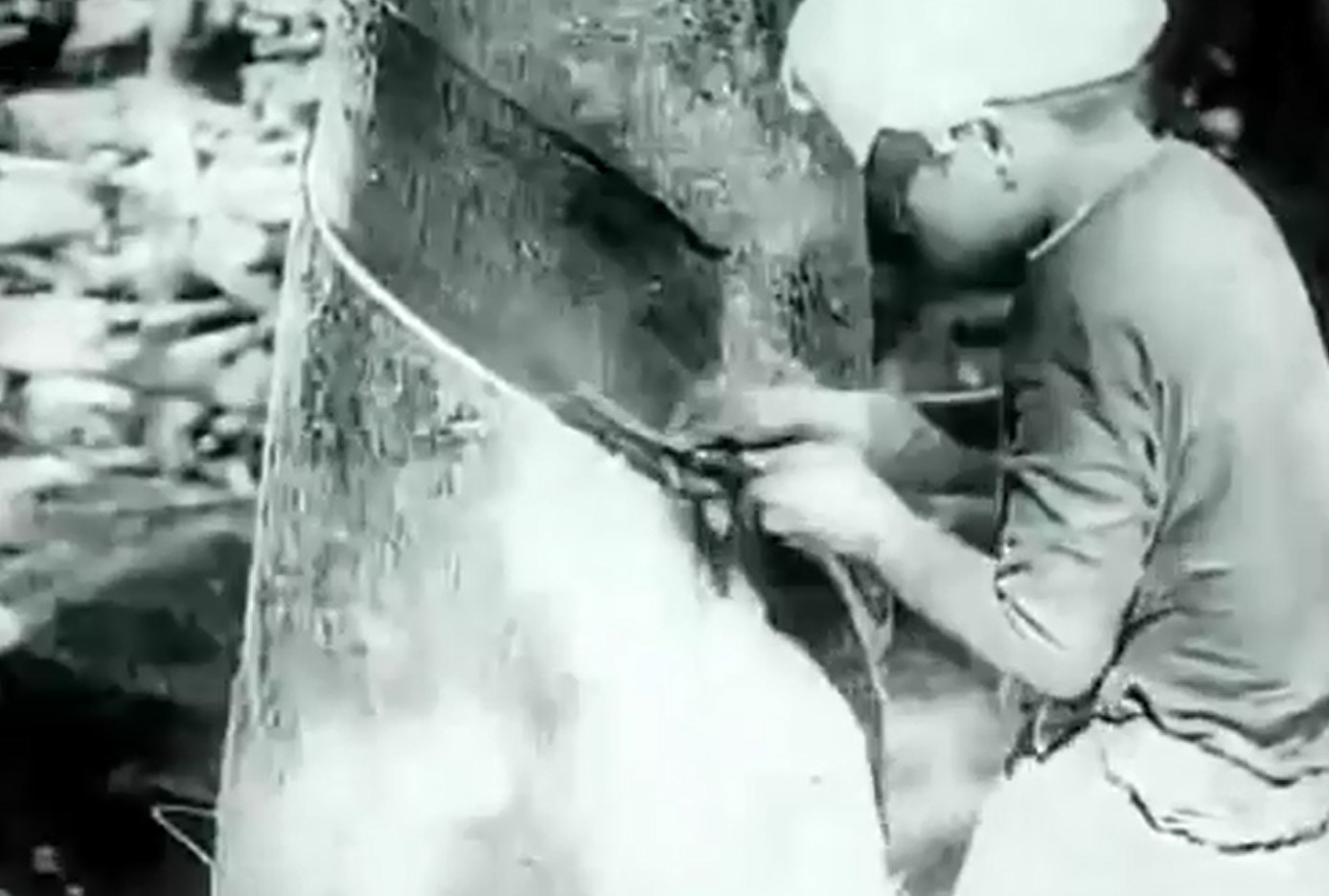
This is the second part of a conversation that I had in the summer of 2015 with artist Nguyễn Phương Linh about art and history, and artists and historians. https://www.youtube.com/watch?v=8ZTwueDkZaM…

The video below is a continuation of our conversation with TS Trần Trọng Dương after the Engaging With Vietnam conference last summer about the utility of history (tính hữu dụng…
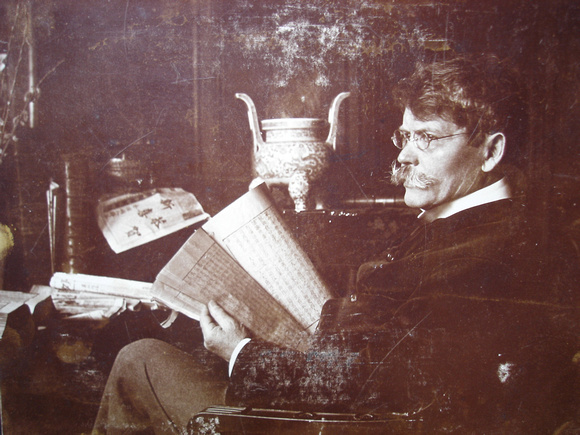
The topic of the importance (or non-importance) of South Vietnamese philosopher Lương Kim Định has come up again and this has forced me to think more about this issue. I…

In 1831 the Nguyễn Dynasty official, Lý Văn Phức, escorted some stranded Chinese sailors back to Fujian province.
When he arrived there, the guesthouse where he was supposed to stay had a sign over it which indicated that it was for “Barbarians.”

I guess this is self-promotion. . . but there is an interview with Le Minh Khai that the journal Da Màu has published which covers several issues that this blog…

I changed my mind. I was going to “digitize” a class that I teach on modern Southeast Asian History, but I’ve decided not to do that yet. Instead, given that…
For the past decade or more I’ve observed a clear decline in interest on the part of students at my university in “Asian Studies” (by which I mean here broadly…
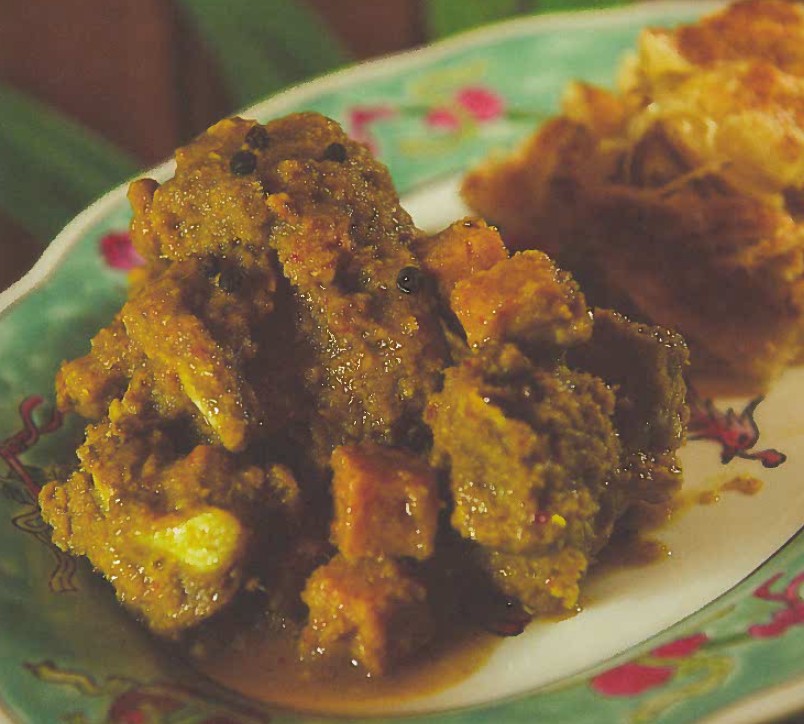
A few years ago someone I met in Kuching kindly gave me a cookbook that had just been published by the Sarawak Eurasian Association called Legacy Cookbook. This cookbook highlighted…
